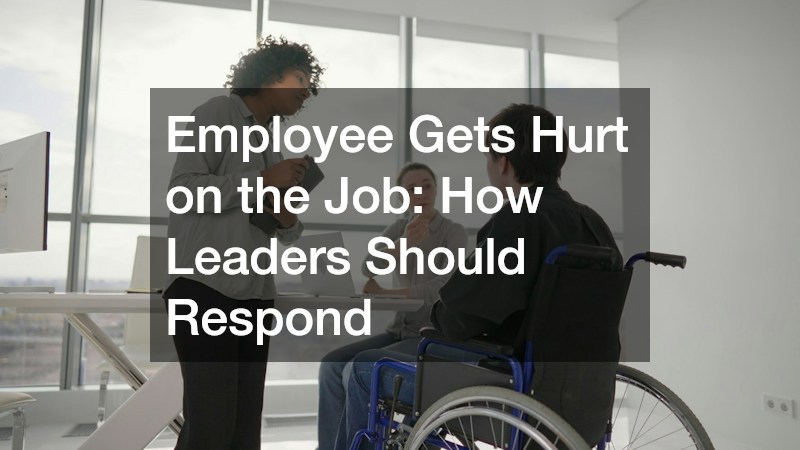
A workplace injury can happen in seconds, but how a leader responds in the minutes, days, and weeks afterward shapes everything that follows, from the employee’s recovery to the company’s legal standing. Many managers freeze up or say the wrong thing simply because they have never been trained for this moment.
This article walks through the practical steps leaders should take when someone gets hurt on the job, so you can protect your team, stay compliant, and handle the situation with confidence rather than panic.
Provide Immediate Medical Attention and Stabilize the Scene
The first few minutes after an injury are about safety, not paperwork. Leaders should assess whether the injury requires emergency services, first aid, or a trip to urgent care, and act quickly rather than waiting to see how things unfold. If there is any doubt about severity, always err toward calling 911, since delaying care can worsen outcomes and create additional liability.
Once the employee is receiving care, someone should secure the area to prevent further injuries to others. This might mean roping off a wet floor, shutting down a machine, or moving equipment out of a walkway. A calm, organized response in these early moments sets the tone for how seriously the company treats employee safety.
- Designate one person to call emergency services while another stays with the injured employee
- Avoid moving the employee unless they are in immediate danger
- Keep bystanders calm and clear the immediate area
- Note the exact time the injury occurred for later reporting
Document the Incident Thoroughly and Accurately
Clear documentation protects both the employee and the business, and it should begin as soon as the immediate danger has passed. Leaders should gather facts while memories are fresh, including what happened, where, and who witnessed it. Vague or delayed documentation often leads to confusion later, especially if a claim is disputed.
It helps to use a standardized incident report form so nothing important gets missed. Photos of the scene, equipment involved, or hazardous conditions can be especially valuable if questions arise weeks later. Consistency in how incidents are recorded also makes it easier to spot patterns that might point to a bigger safety issue.
- Write down the employee’s own account of what happened in their words
- Collect contact information from any witnesses
- Photograph the area, equipment, and any visible injuries
- Record environmental factors like lighting, weather, or noise levels
- Store the report securely and share it only with those who need it
Communicate Honestly With the Injured Employee
After an injury, employees often feel scared, embarrassed, or worried about their job security, and how a leader communicates can either ease or worsen that anxiety. A simple, sincere check-in goes a long way, letting the employee know their well-being matters more than productivity in that moment. Avoid making assumptions about fault or minimizing their pain, even if the injury seems minor.
It is also important to explain next steps clearly, including what paperwork is needed and when they can expect follow-up. Employees who feel informed are less likely to feel abandoned or suspicious of the process. Leaders who communicate with empathy often see better morale across the whole team, not just with the injured individual.
- Ask open-ended questions rather than leading ones about how the injury happened
- Reassure the employee that seeking care was the right decision
- Keep communication going throughout their recovery, not just immediately after
- Avoid discussing the incident publicly or speculating about blame
Understand Your Legal and Reporting Obligations
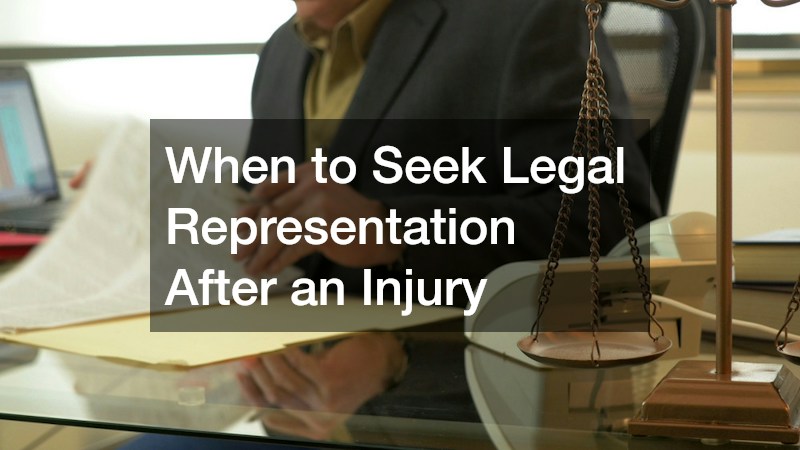
Every workplace injury triggers a set of legal responsibilities, and leaders need to understand these before a situation arises rather than scrambling afterward. Most states require employers to report serious injuries within a specific timeframe, and failing to do so can result in fines or complications with insurance coverage. Workers comp lawyers often point out that early missteps in reporting are among the most common reasons claims get delayed or disputed.
Leaders do not need to become legal experts, but they should know when to loop in HR, risk management, or outside counsel. If an injury appears serious, involves equipment malfunction, or raises questions about negligence, consulting workers’ comp lawyers early can prevent costly mistakes down the road. Getting ahead of the legal side of things also reassures employees that the company is handling their situation responsibly.
- Know your state’s deadline for filing an official injury report
- Keep insurance carrier contact information readily accessible
- Loop in HR as soon as a serious injury is confirmed
- Document any communication with regulatory agencies
Support a Safe Return to Work
Recovery does not end when an employee leaves the doctor’s office, and leaders play a big role in how smoothly someone transitions back to their job. A thoughtful return-to-work plan considers any physical restrictions, modified duties, or reduced hours the employee might need temporarily. Rushing someone back too soon, or ignoring medical guidance, often leads to re-injury and further complications.
Regular check-ins during the transition period show the employee that their recovery is still a priority, not just a box to check. Leaders should also train supervisors to recognize signs that an employee may be struggling physically or emotionally after returning. A supportive return process often reduces turnover and builds long-term trust across the whole team.
- Coordinate with the employee’s doctor on any work restrictions
- Offer temporary modified duties when possible
- Check in weekly during the first month back
- Watch for signs of lingering pain or stress that may need further accommodation
Strengthen Safety Practices After the Injury
Every injury, no matter how minor, is an opportunity to identify gaps in training, equipment, or workplace design. Leaders should review the incident with their safety team to determine whether it could have been prevented and what changes might reduce future risk. Treating injuries as learning moments rather than isolated events helps build a genuinely safer workplace over time.
Sharing lessons learned with the broader team, without singling out the injured employee, reinforces that safety is a shared responsibility. Regular safety audits and refresher training sessions keep these lessons from fading once the immediate incident is forgotten. Companies that consistently act on these findings tend to see fewer repeat incidents.
- Conduct a root-cause analysis within a week of the incident
- Update training materials to address the specific hazard involved
- Involve frontline employees in identifying overlooked risks
- Schedule periodic safety walkthroughs to catch new hazards early
Conclusion
Responding well to a workplace injury takes preparation, clear communication, and a genuine commitment to employee wellbeing, not just compliance with the law. Leaders who handle these moments thoughtfully protect their teams, reduce legal risk, and build a culture where people feel safe raising concerns. Start by reviewing your current incident response plan today, and make sure every supervisor knows exactly what to do the next time an injury occurs.