
When you’re trying to figure out which health service deserves your time, money, and personal information, trust becomes the deciding factor faster than price or convenience ever could. The best health and wellness brands have figured out how to earn that trust within minutes of first contact, long before a customer becomes a loyal patient. Understanding how they do it can help you spot the difference between a provider worth choosing and one that’s just good at marketing. This article breaks down the specific signals that separate trustworthy health brands from the rest, so you can make smarter decisions for yourself and your family.
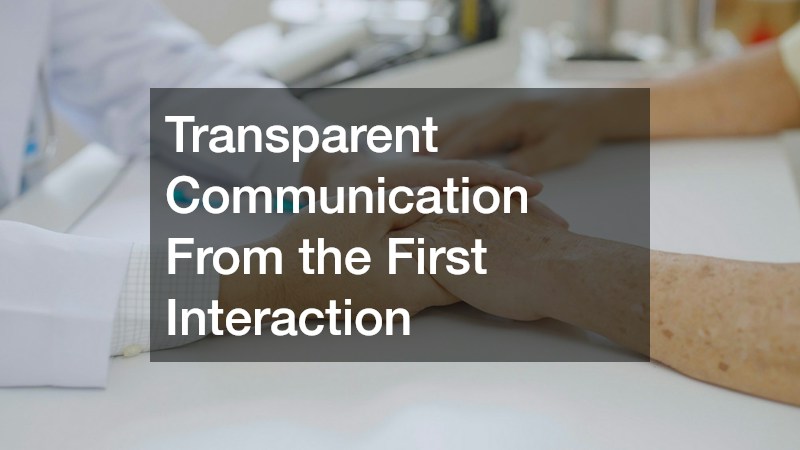
Transparent Communication From the First Interaction
The fastest way any health brand builds trust is by being upfront about what it offers, what it costs, and what a patient can realistically expect. Vague promises or confusing pricing structures are red flags, while clear explanations signal a brand confident in its own value. Patients today research extensively before booking an appointment, so brands that answer common questions openly on their websites tend to earn trust before the first phone call even happens.
This transparency extends to credentials and qualifications. A brand that proudly lists its staff’s licenses, certifications, and specialties is telling you it has nothing to hide. Consumers should look for this kind of openness as a baseline requirement, not a bonus feature.
- Clear, upfront pricing listed on the website or available by phone
- Staff credentials and specialties easy to find and verify
- Plain-language explanations of treatments and procedures
- Honest timelines for results, with no exaggerated promises
Fast Access to Care Builds Immediate Confidence
One of the clearest signals of a trustworthy health brand is how quickly it can actually see you. A walk in clinic that offers same-day appointments without a mountain of paperwork sends a strong message that patient time is valued. That kind of accessibility tells people the brand understands urgency, rather than treating every visit like a scheduling formality. Speed alone isn’t the whole story, though. The best walk in clinics pair quick access with streamlined intake — digital check-in, pre-filled forms, transparent wait-time estimates — so the convenience doesn’t come at the cost of quality or attention. A patient who waits ten minutes but still feels rushed through the actual visit won’t walk away trusting the brand any more than one who waited two hours.
Compare that to a traditional practice where new patients wait weeks for a first visit, sometimes longer if they need a specialist referral. Even loyal patients can feel that delay as a quiet signal that their time matters less than the system’s convenience. It’s easy to see why convenience-focused care has grown so popular: when a brand removes friction at the exact moment someone needs help most, it earns confidence almost instantly, often before a single word is exchanged about the actual care provided.
This speed isn’t just about comfort, it’s about outcomes. Minor infections, sprains, and sudden illnesses often need prompt attention, and delays of even a day or two can turn a simple issue into a more complicated, more expensive one. Brands like CVS MinuteClinic and One Medical have built their reputations on same-day or next-day access, and that reliability is precisely why patients keep coming back. The data backs this up: studies on patient retention consistently show that wait times are one of the top three reasons people switch providers, right alongside cost and perceived quality of care.

A patient who can book a video visit in minutes or walk into a retail clinic without an appointment is having a fundamentally different experience than one stuck on hold for a callback. That difference registers emotionally long before any clinical outcome is measured. When a provider makes it easy to get seen quickly, patients naturally start to trust that the same provider will be straightforward about everything else, from diagnosis to follow-up care. The logic is almost unconscious: if this company respects my time, it probably respects my health too. That first low-stress interaction becomes a proxy for competence, even before any treatment has actually occurred.
Specialized Treatment Programs Demonstrate Real Expertise
General wellness claims are easy to make, but brands that build out specialized programs show they’ve invested in deeper expertise. Consider a provider offering testosterone therapy as part of a structured hormone health program, complete with lab testing, ongoing monitoring, and clear benchmarks for progress. That level of structure tells a patient the brand understands the complexity of hormone-related treatment rather than offering a one-size-fits-all solution.
Specialization also means the brand has likely trained staff specifically for that treatment area, which reduces the chances of generic advice or missed warning signs. Patients evaluating any specialized program should ask how progress gets measured and how often plans are adjusted.
- Ask whether lab work or diagnostics are included before treatment begins
- Look for clear milestones used to track progress over time
- Confirm that follow-up visits are built into the program, not optional add-ons
- Check whether the provider adjusts treatment based on individual results

Honest Marketing in the Weight Management Space
Few areas of health and wellness attract as much exaggerated marketing as weight management, which makes honesty especially valuable here. A reputable weight loss clinic earns trust by setting realistic expectations rather than promising dramatic results in unrealistic timeframes. Brands that discuss nutrition, physical activity, and sustainable habits alongside any medical intervention tend to be more credible than those focused purely on quick fixes.
Patients should also pay attention to how a clinic talks about risk. Trustworthy providers explain potential side effects and screening requirements clearly, rather than glossing over them to close a sale. This willingness to discuss the less flattering details is often the clearest sign that a brand is prioritizing patient wellbeing over revenue.
Consistency Across Every Patient Touchpoint
Trust erodes quickly when a brand’s messaging changes depending on where you encounter it. A health service that promises personalized attention online but delivers rushed, impersonal visits in person breaks the trust it worked to build. The strongest brands keep their tone, promises, and quality of care consistent whether a patient is reading a website, calling the front desk, or sitting in the exam room.
This consistency also applies to follow-through. If a brand says it will call with lab results in 48 hours, patients notice whether that actually happens. Small, repeated acts of reliability accumulate into the kind of trust that keeps people coming back and referring others.
- Compare online messaging to the actual in-office experience
- Notice whether staff follow through on stated timelines
- Ask previous patients or online reviewers about consistency over multiple visits
- Watch for discrepancies between advertised services and what’s actually offered
Clear Guidance for Urgent Versus Routine Needs
Trustworthy health brands help patients understand where to go for different types of care, rather than funneling everyone into the most profitable option. A responsible provider will tell a patient plainly when a situation calls for the emergency room instead of a standard appointment, even if that means losing the visit. This kind of honest triage is a powerful trust signal because it puts patient safety ahead of business interests.
Brands that publish clear guidance on their websites or train front-desk staff to ask the right screening questions are protecting patients from delayed care. It also reduces frustration, since patients aren’t bounced between departments or given the runaround when time matters most.
Equipment and Accessibility Choices Signal Genuine Care
Trust isn’t limited to clinical services, it also shows up in the everyday products health and wellness brands recommend or sell. A reputable chair lift company, for example, builds trust by prioritizing safety certifications and proper installation over flashy marketing. Consumers evaluating mobility equipment should look for brands that offer in-home assessments rather than selling a single product to everyone regardless of their specific needs.
The same logic applies across the broader wellness industry. Companies that genuinely care about outcomes tend to ask detailed questions before recommending anything, whether it’s a piece of equipment or a treatment plan. That consultative approach, more than any advertisement, is what separates a brand built on trust from one built on sales volume.
Earning trust quickly isn’t about flashy promises, it’s about transparency, consistency, and a genuine focus on patient outcomes over profit. As you evaluate any health or wellness provider, pay attention to how they communicate, how they handle specialized care, and whether their guidance changes based on what’s actually best for you. Trust the brands that are upfront about limitations and honest about timelines, and be wary of those that only tell you what you want to hear. Armed with these signals, you’re in a much stronger position to choose care that actually deserves your confidence.