
When your team works with people during the most emotional moments of their lives, every interaction carries extra weight. A client might walk in celebrating a milestone one hour and break down in frustration the next, and your staff has to meet both moods with the same steadiness. Learning how to lead through this emotional unpredictability is not just a soft skill, it is a business necessity. This article breaks down practical strategies for managing teams that serve clients on their highest highs and lowest lows.
Recognizing the Emotional Range of Client-Facing Work
Some businesses naturally attract clients in heightened emotional states, and leaders need to acknowledge this reality rather than treat every tense interaction as an anomaly. A wedding planner, a financial advisor, and a healthcare provider all face similar challenges even though their industries look nothing alike. Understanding the emotional spectrum your team operates in helps you build systems that support them instead of leaving them to improvise under pressure.
Consider how differently a client behaves when they are thrilled versus distressed. The same request, phrased two different ways, can land as either gratitude or hostility depending on what the client is carrying into the conversation.
- Clients celebrating a success often want speed and validation
- Clients in crisis often want patience and reassurance
- Both groups need to feel heard before they feel helped
- Misreading the emotional state can derail an otherwise good interaction
Training Staff to Read the Room Quickly
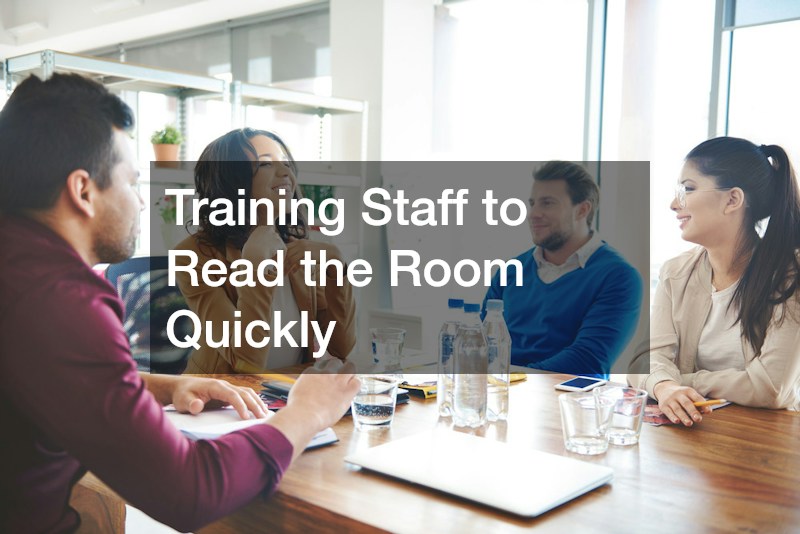
Frontline employees need more than product knowledge, they need the ability to size up a client’s emotional state within the first few seconds of contact. This means picking up on cues like tone of voice, word choice, pace of speech, and even posture or facial expression in face-to-face settings. A client who answers in clipped, one-word responses is signaling something very different from one who’s chatty and cracking jokes, and staff need to notice the shift before the conversation goes any further. This skill can be taught through role playing exercises that simulate both ends of the spectrum, from a jubilant client celebrating a win to an upset one on the verge of walking away. Managers can script a handful of realistic scenarios, record them, and review the footage together, pointing out the small verbal and nonverbal signals that gave away the client’s mood. Rotating staff through both roles, client and representative, also builds empathy and sharpens their instincts for what each emotional state actually feels like from the other side. Teams that practice these scenarios in low stakes settings, like weekly ten-minute huddles rather than rare annual trainings, tend to respond more naturally when the real thing happens. Consistency matters more than intensity here; a short, recurring drill builds muscle memory far better than a single half-day workshop. Over time, this kind of repetition turns room-reading from a conscious effort into an automatic reflex.
Managers should also build in quick check-in rituals before client meetings so staff can mentally prepare. A thirty second pause to review notes on a client’s history or recent communications can prevent a tone-deaf greeting that sours the whole interaction. These check-ins don’t need to be elaborate. A simple glance at the CRM for flags like “recently escalated,” “celebrating a product launch,” or “overdue invoice dispute” gives staff enough context to adjust their tone before they even say hello. Some teams use color-coded tags or a one-line “client mood note” updated after every interaction, so the next person in doesn’t walk in blind. It also helps to build this habit into the calendar itself, rather than leaving it to willpower. Blocking five minutes between client calls, rather than scheduling them back-to-back, gives staff room to breathe, reread notes, and reset emotionally. Teams that skip this buffer often carry frustration or awkwardness from one call straight into the next, which clients can sense immediately. Role-playing common scenarios during training reinforces the habit further. Practicing how to shift from a tense call to a celebratory one, or vice versa, teaches staff that reading the room isn’t a one-time skill but a muscle they rebuild before every single interaction.
- Review client history before every appointment, not just new ones — check notes on past complaints, preferences, and tone
- Train staff to scan for visual cues in the first 10 seconds: posture, eye contact, tone of voice, how they’re holding their phone or paperwork
- Use consistent language for handoffs between team members, like a quick “heads-up” phrase that signals mood without alarming the client
- Create a simple color-coded or shorthand system in your CRM to flag a client’s emotional state for the next staffer
- Debrief after difficult interactions while details are fresh, ideally within the hour, not at end of shift
- Ask three quick debrief questions: What triggered it? What worked? What would you do differently?
- Reward staff who successfully de-escalate tense situations with specific recognition, not just a generic “good job”
- Share de-escalation wins in team meetings so successful tactics become shared knowledge, not isolated instinct
Building Scripts That Flex With the Moment
Rigid scripts fail client-facing teams because they assume every customer arrives in the same frame of mind. Instead, leaders should create flexible frameworks with multiple entry points depending on the client’s tone. This matters enormously in fields where emotions run especially high, such as family law, where divorce attorneys often meet clients who are simultaneously relieved and devastated within the same conversation.
A flexible script gives staff permission to deviate while still hitting required information. For example, intake forms can be split into sections so a distressed client is not forced through the same brisk pace as someone who is calm and ready to move quickly.
- Build scripts with optional empathy statements, not mandatory ones
- Train staff to slow down when a client’s voice shifts in tone
- Separate factual intake questions from emotional check-ins
- Allow staff to escalate to a manager without feeling like a failure
Protecting Employee Wellbeing During Emotional Swings
Absorbing other people’s highs and lows all day takes a toll, and leaders sometimes underestimate how draining this becomes over time. Staff who spend their shift bouncing between a client’s wedding excitement and another client’s custody dispute need real recovery time built into their schedules. Without this, burnout shows up as irritability, slower response times, and eventually turnover.
Simple structural changes can make a measurable difference. Rotating staff through different client types during a shift, rather than stacking five emotionally heavy appointments in a row, spreads the load more evenly.
- Schedule short breaks after emotionally intense appointments
- Rotate difficult cases among team members instead of one person
- Offer access to counseling or peer support resources
- Check in regularly with staff who handle high-conflict clients
Creating Moments of Celebration to Balance Hard Days
Teams that only focus on crisis management can forget how to enjoy the wins, which matters just as much for morale. When a client has a genuinely happy milestone, leaders should encourage staff to pause and celebrate it rather than rushing to the next task. This balance reminds employees why the work matters and gives them an emotional counterweight to harder days.
Team outings also help reset morale after a stretch of difficult client interactions. Something as simple as gathering for a meal can rebuild camaraderie, and many managers find that researching the best restaurants in town for a quarterly team dinner pays off in loyalty and renewed energy. These low cost gestures often matter more to staff than leaders expect.
- Acknowledge positive client outcomes in team meetings
- Share success stories that highlight staff contributions
- Plan occasional team meals or outings to reset morale
- Recognize staff publicly for handling tough days well
Leading a team through constant emotional extremes requires intentional systems, not just good instincts. By training staff to read client emotions, building flexible communication tools, protecting wellbeing, and celebrating the wins, leaders can create a sustainable environment for everyone involved. Start by auditing where your current processes fall short and make one small change this month. Your team, and your clients, will feel the difference.