You form an opinion about a company before a single word is spoken, and that snap judgment often starts with what you see rolling down the street or parked in the lot. A dented fender, a cloudy windshield, or a faded wrap can quietly tell you a business cuts corners, even if their work is excellent. Understanding how vehicle appearance influences customer trust can help you make smarter decisions, whether you are choosing a service provider, maintaining your own car, or simply trying to understand why some brands feel more credible than others. This article breaks down the specific, practical ways a vehicle’s condition shapes perception and what that means for you as a consumer.
The Psychology Behind First Impressions on Wheels
Human brains are wired to make fast judgments based on visual cues, and vehicles are no exception. Within seconds of seeing a car or truck, most people form assumptions about the owner’s attention to detail, financial stability, and reliability. This happens whether the vehicle belongs to a delivery service, a contractor, or a rideshare driver picking you up for a trip. Because this judgment happens almost instantly, appearance often carries more early influence than actual service quality.
This snap-judgment effect is not limited to obvious damage. Even small details like tire condition, window clarity, or a mismatched paint job can subtly chip away at confidence. Consumers rarely articulate why a vehicle feels untrustworthy, they simply feel hesitant, and that hesitation can translate into lost business or reduced goodwill.
Paint Condition and Body Damage Send a Message
A vehicle covered in scratches, rust spots, or unrepaired dents suggests neglect, even if the mechanical components underneath are perfectly sound. People rarely have the expertise to judge engine health or maintenance records, so they default to the evidence they can see. A dented bumper or peeling paint becomes a stand-in for competence, and that snap judgment happens in seconds, often before any conversation takes place. This is especially true for service vehicles, since customers often equate exterior condition with the quality of work being delivered. A plumber who arrives in a van with a cracked windshield and faded lettering raises quiet doubts about whether pipes will be installed with the same lack of care. The same logic applies to delivery fleets, contractor trucks, and sales reps’ cars, since each one functions as a rolling advertisement whether the owner intends it to or not. The type of damage matters too. Cosmetic issues like light scratches or minor scuffs tend to read as everyday wear, but rust, cracked panels, or mismatched paint from a bad repair job signal something closer to neglect than accident. Dents left unrepaired for months suggest the business simply stopped noticing, which is often more damaging to trust than the dent itself. People tend to assume that a business or individual who tolerates visible damage may also tolerate shortcuts in other areas, like skipped inspection steps, delayed maintenance, or corner-cutting on materials. That assumption isn’t always fair, but it’s consistent enough across industries that it’s worth treating as a predictable customer response rather than an occasional overreaction.
Getting timely collision repair after an accident is not just about restoring safety and function, it also protects the visual credibility of the vehicle. A dented panel or cracked bumper tells customers a story before anyone says a word, and that story often implies neglect even if the damage happened just yesterday. First impressions form in seconds, and a vehicle that looks banged up can undercut months of relationship-building with a single glance. Waiting too long to address body damage allows rust and further deterioration to set in, which compounds the negative impression over time. What starts as a small chip in the paint can spread into corrosion within weeks, especially in wet or salty climates where exposed metal rusts quickly. A scratch that could have been buffed out for under a hundred dollars can turn into a panel replacement costing well over a thousand once rust takes hold. A quick trip to a qualified auto body shop after even a minor fender bender can prevent small issues from becoming glaring, trust-damaging eyesores. Many shops offer same-week estimates and can often complete cosmetic repairs in a day or two, minimizing how long a damaged vehicle stays in public view. Building a relationship with one trusted shop also means faster turnaround and more consistent results, since technicians become familiar with your fleet’s paint codes, body styles, and typical wear patterns.
Windows, Tint, and the Perception of Privacy and Style
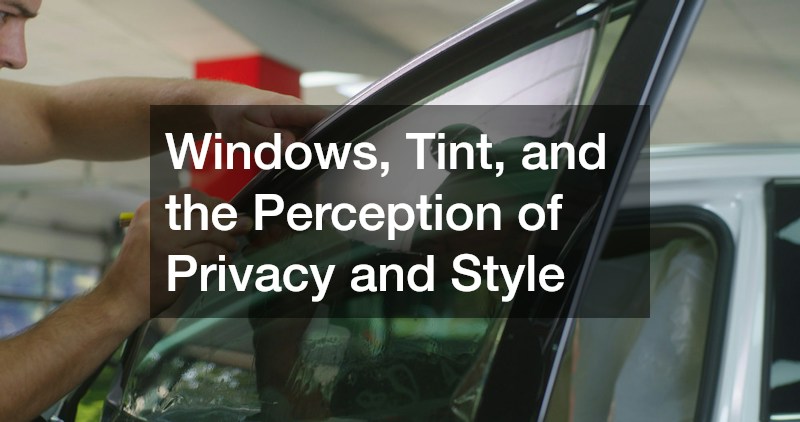
Window condition plays a bigger role in perception than most people realize. Cracked, foggy, or inconsistently tinted windows can make a vehicle look older or poorly maintained, even if it was manufactured recently. Clean, evenly tinted windows, on the other hand, project a sense of polish and intentional care.
Beyond aesthetics, quality car tinting also signals practical thoughtfulness, since it suggests the owner considered comfort, UV protection, and passenger privacy. For businesses that transport clients or goods, this small upgrade often becomes a quiet but effective trust signal. Customers notice when a vehicle looks deliberately finished rather than left in a default, untouched state.
Interior Cleanliness as an Extension of Brand Values
While exterior appearance grabs attention first, interior condition seals the impression once someone steps inside. A cluttered dashboard, stained seats, or lingering odors can undo the goodwill built by a clean exterior. People often view the interior as a more honest indicator of habits, since it is less visible to the public and therefore less likely to be maintained purely for show.
Regular interior upkeep does not require expensive detailing every week, but consistency matters more than intensity. Wiping down surfaces, vacuuming regularly, and removing trash after each use are simple habits that compound into a lasting impression. Customers who see a tidy interior often assume the same discipline extends to how the business handles their money, time, or property.
The Role of Shine and Protective Coatings
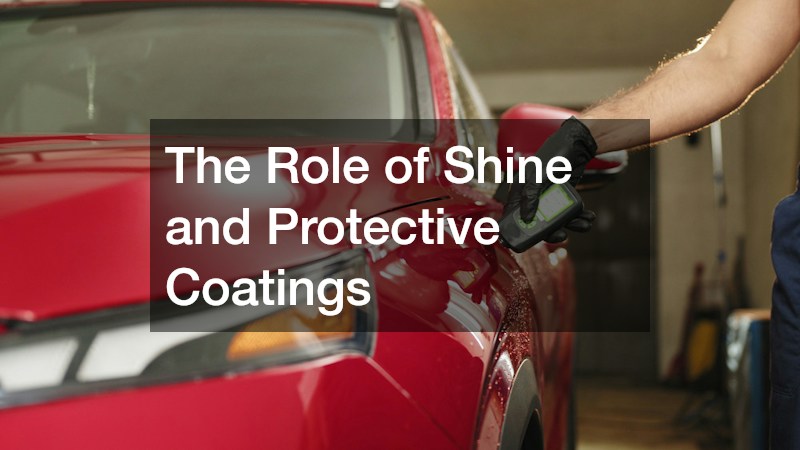
A vehicle that gleams under sunlight communicates more than just cleanliness, it suggests investment and pride of ownership. Shine has a psychological weight that flat, dull paint simply cannot match, and it is one of the fastest ways to elevate perceived value without changing the vehicle itself. This is why many businesses treat exterior shine as a recurring line item rather than an occasional treat.
Applying a car ceramic coating has become a popular way to maintain that polished look for extended periods, since it resists dirt, water spots, and minor environmental damage better than traditional wax. The coating creates a durable barrier that keeps the paint looking newer for longer, reducing the frequency of deep cleaning needed. For anyone trying to maintain a consistently trustworthy appearance, this kind of long-term protection often pays for itself in perception alone.
Mechanical Reliability and Its Visible Warning Signs
Trust is not built on looks alone, and savvy consumers often pick up on mechanical red flags that hint at deeper neglect. Smoke from the exhaust, uneven idling, or a vehicle that shudders at stoplights all suggest that maintenance has been deferred. These signs are especially damaging for service-based businesses, where a customer might assume mechanical neglect mirrors neglect in other operational areas.
Routine auto repair addresses these issues before they become visible or audible warning signs to the public. Staying current with fluid changes, belt inspections, and general tune-ups keeps a vehicle running smoothly and quietly, which reinforces a sense of reliability. A well-maintained engine paired with a clean exterior sends a unified message that nothing about the operation is left to chance.
Braking Performance and the Safety Signal It Sends
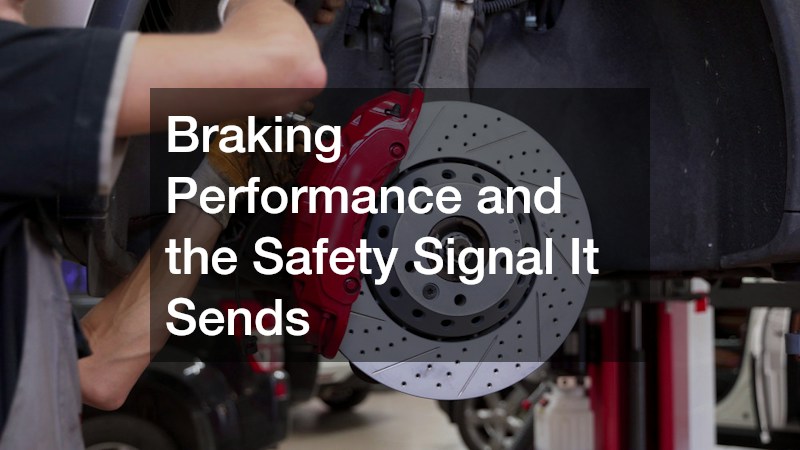
Few things erode confidence faster than hearing a vehicle screech or grind to a stop. Passengers and onlookers alike associate braking sounds with poor upkeep, and in commercial settings this can raise real concerns about safety standards. A vehicle that stops smoothly and quietly reassures everyone nearby that the equipment is being properly cared for.
Scheduling brake repair at the first sign of squeaking or reduced stopping power protects both safety and reputation simultaneously. Worn brake pads are relatively inexpensive to replace compared to the cost of an accident or the damage to trust that follows a visible near-miss. Consumers may not know the technical details of brake systems, but they absolutely notice when something sounds or feels wrong.
How Larger Fleet Vehicles Shape Business Credibility
Larger vehicles carry an outsized visual impact simply because of their size and visibility on the road. A business evaluating options like a box truck for sale should consider not just cargo capacity and price, but how the vehicle’s condition will represent the brand once it is in daily use. A large, poorly maintained truck is a moving billboard for neglect, while a clean one reinforces professionalism at scale.
For companies that also handle recreational or specialty transport, offering reliable RV towing services can become another visible extension of the brand’s reputation. Customers trusting their recreational vehicle to another company want to see equipment that looks capable and well cared for, not tired or improvised. In both cases, the vehicle itself becomes a silent ambassador for the business behind it.
Specialized Equipment That Reflects Operational Standards
Some vehicles rely on visible equipment that customers may not fully understand but still judge instinctively. A well-maintained cable hoist mounted on a service truck, for example, signals that the operation invests in proper tools rather than makeshift solutions. Even without technical knowledge, most people can tell the difference between equipment that looks purpose-built and equipment that looks improvised or rusted. The details customers notice often go beyond the equipment itself. Clean paint on a winch housing, properly coiled cabling, and clearly labeled load ratings all suggest a crew that respects safety protocols and maintenance schedules. A cable hoist held together with mismatched bolts or frayed lines, on the other hand, raises questions about whether the same corner-cutting extends to the actual job being performed. This instinctive assessment happens fast, often in the few seconds it takes a technician to pull into a driveway. Studies on first impressions suggest people form judgments about competence within seconds of visual exposure, and specialized equipment is one of the clearest signals available to an untrained eye. A customer may not know the torque specifications for a hoist mount, but they will notice if it looks secure, clean, and intentional. For companies operating fleets, this means equipment upkeep deserves the same attention as vehicle exteriors. Scheduling regular inspections, replacing worn cabling before it becomes visibly frayed, and repainting or replacing corroded housings are small investments that pay off in perceived professionalism. The equipment doesn’t need to be new — it needs to look cared for.
This impression extends to any specialized hardware attached to a vehicle, from towing rigs to lift systems, cranes, and hydraulic attachments. Clean, functional equipment suggests the operator takes safety and capability seriously, while neglected gear raises doubts about whether corners are being cut elsewhere. Rust creeping across a winch, frayed straps, or a lift gate that groans on its way down all send a message before a single word is exchanged. Customers often use these visible details as a stand-in for judging technical competence they cannot otherwise evaluate. Few clients know how to inspect hydraulic pressure ratings or verify maintenance logs, so they rely on what’s in front of them: does the equipment look cared for, and does it operate smoothly on arrival. A hitch that’s caked in grime or a ladder rack held together with zip ties can undercut even a highly skilled technician’s credibility in seconds. This is especially true in industries where the equipment itself represents the core service being sold, such as towing, landscaping, or utility work. In those cases, the gear isn’t just supporting the job, it is the visible proof that the job can be done safely and correctly. Regular cleaning, prompt repair of worn components, and timely replacement of outdated attachments all reinforce the sense that the business holds itself to a consistent operational standard, not just a cosmetic one.
Choosing Trustworthy Repair and Maintenance Partners
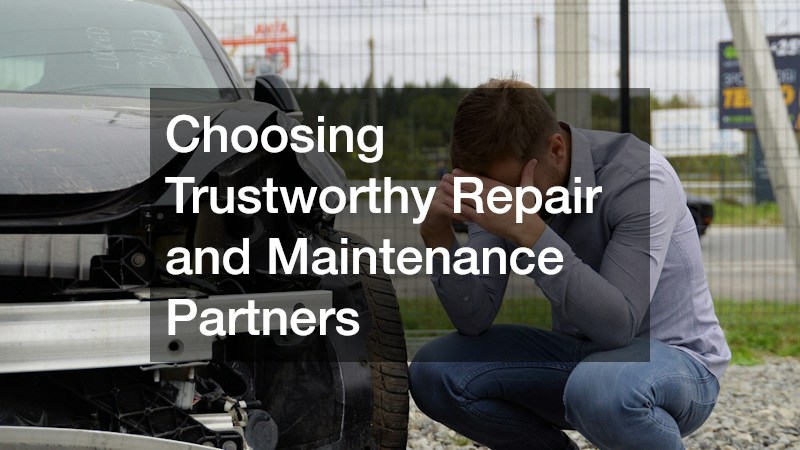
Knowing how much appearance matters, it becomes important to choose repair partners who understand both the cosmetic and functional sides of vehicle care. Finding what many consider the best collision repair option in your area means looking beyond price alone and considering turnaround time, warranty options, and attention to color matching. A rushed or low-quality repair can leave visible seams or mismatched paint that undermines the very trust you are trying to rebuild.
When researching providers, it helps to ask specific questions before committing to any service.
- Ask whether the shop offers a written warranty on both parts and labor
- Request examples of previous repair work, especially on similar vehicle models
- Confirm whether they use manufacturer-approved paint matching technology
- Check online reviews specifically mentioning finish quality and timeliness
- Ask about loaner vehicles or timelines if your car will be out of service
Vehicle appearance is never just about aesthetics, it is a constant, quiet form of communication between a brand and the people it hopes to earn trust from. Every scratch, squeak, and cloudy window either reinforces or undermines the message a business is trying to send. By paying attention to both the visible and mechanical details covered here, you can make more informed choices about the vehicles you rely on and the companies you choose to trust. Start by evaluating one vehicle in your life today, whether it is your own car or one you are considering hiring, and notice how much its condition shapes your confidence before a single service is performed.