
Growing a business is exciting, but it often means your attention gets pulled in a dozen directions at once, and the physical property that houses your operations can quietly slip down the priority list. Small maintenance issues left unchecked have a way of turning into expensive emergencies right when you can least afford the disruption. Whether you own a single storefront or a growing portfolio of commercial spaces, learning how to balance expansion with proper upkeep can save you money, protect your reputation, and keep your team focused on what matters most. This guide walks through the practical property considerations every growing business owner should keep in mind.
Watching For Warning Signs Beneath Your Building
As a business expands, more foot traffic, heavier equipment, and added inventory all place extra stress on a building’s structure, and the foundation is usually the first thing to show wear. Cracks in walls, doors that stick, or uneven floors are not just cosmetic annoyances; they can signal shifting soil or water intrusion that worsens over time. Catching these issues early is far less costly than waiting until the problem threatens the safety of the entire building.
Many owners assume foundation issues only happen in older buildings, but new construction on unstable soil can develop problems just as quickly. Bringing in one of the reputable foundation repair companies for a professional inspection every few years is a smart preventative habit, especially if you are adding equipment, storage racks, or additional square footage that increases the load on your building.
-
Look for horizontal cracks wider than a quarter inch
-
Check for gaps around window and door frames
-
Watch for pooling water near the base of exterior walls
-
Note any new sloping in floors after renovations
Protecting What Is Over Your Head
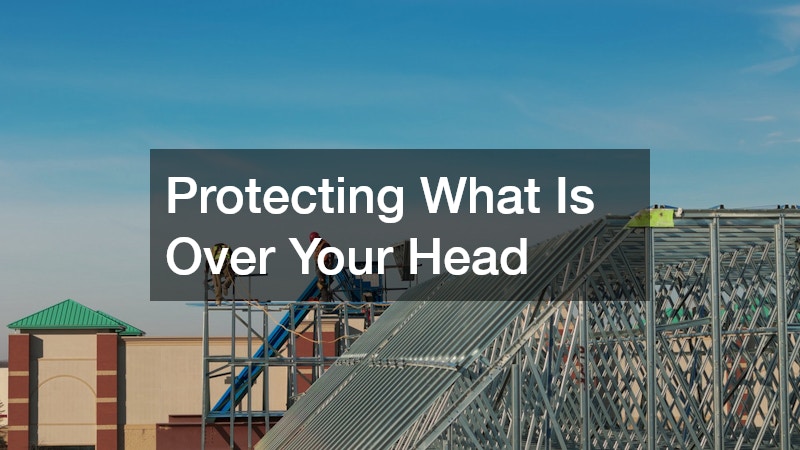
A roof is one of the most overlooked parts of a commercial property until it fails, usually during the worst possible weather. Ponding water, blistering membranes, and clogged drains are common signs that a roof needs attention before a small leak becomes a major interior repair. Businesses that are scaling up often add rooftop HVAC units or solar panels, which can put additional strain on aging roofing systems.
Scheduling a routine inspection with a company specializing in commercial roofing helps you plan for repairs or replacement on your own timeline rather than reacting to an emergency. This is especially important if you are preparing your property for sale, lease, or a major renovation, since roof condition is often one of the first things inspectors flag.
-
Inspect flashing around vents and skylights twice a year
-
Clear debris from drains before storm season
-
Document any interior water stains with photos and dates
Preparing For The Unexpected
No matter how well you maintain a property, storms, fires, and burst pipes can still cause significant damage overnight. Having a plan in place before disaster strikes makes a real difference in how quickly your business can reopen its doors. This means knowing who to call, understanding your insurance coverage, and keeping documentation of your property’s condition on hand.
When damage does occur, working with a commercial restoration service that understands the urgency of business downtime can shorten the recovery timeline considerably. These teams handle everything from water extraction to smoke damage cleanup, and many offer emergency response around the clock so you are not left waiting days for someone to assess the situation.
-
Keep an updated inventory of equipment and fixtures
-
Store insurance policy details somewhere accessible offsite
-
Identify a backup location for operations if needed
-
Photograph your property’s condition seasonally
Keeping Essential Systems Flowing

Plumbing problems rarely announce themselves politely; they tend to show up as a slow drain one week and a flooded break room the next. As your business grows and adds employees, restrooms, or kitchen facilities, the demand on existing pipes increases, sometimes beyond what the original system was designed to handle. Low water pressure, unusual odors, and slow drainage are all early indicators worth investigating.
A qualified commercial plumbing repair service can assess whether your current system can support your growth or whether upgrades are needed before problems escalate. Addressing these issues proactively avoids the kind of sudden shutdowns that frustrate customers and employees alike, especially in industries like food service where plumbing failures can halt operations entirely.
-
Schedule annual camera inspections of main lines
-
Address slow drains before they become full blockages
-
Upgrade older pipes when renovating for expansion
Building For The Next Phase Of Growth
At some point, scaling a business means outgrowing your current space, whether that involves adding a warehouse, expanding a retail floor, or building a second location entirely. This is a major undertaking that requires careful planning, permits, and someone who understands local building codes inside and out. Rushing this process to save time often leads to costly mistakes down the road.
Partnering with an experienced commercial building contractor early in the planning stages helps you avoid surprises related to zoning, structural requirements, or timeline delays. A good contractor will also help you think through future flexibility, so the space can adapt as your business continues to change rather than becoming outdated in just a few years.
-
Confirm zoning allows your intended use before signing a lease
-
Ask contractors for references from similarly sized projects
-
Build in extra electrical and data capacity for future needs
Relocating Without Losing Momentum
A growing business sometimes needs more space than its current property can offer, and relocation becomes the logical next step. Moving a business is a very different process than moving a household, since equipment, inventory, and sensitive records all require careful handling to avoid downtime. Poor planning during a move can mean lost sales days and frustrated customers who cannot find your new location.
A realistic timeline helps prevent chaos: many companies start planning 3-6 months ahead, mapping out utility transfers, IT infrastructure setup, and furniture or equipment logistics well before moving day. Consider a phased move, shifting non-essential departments first while keeping customer-facing operations running, so revenue doesn’t grind to a halt.
Communication is just as important as logistics. Update your address across your website, Google Business Profile, invoices, and signage weeks in advance, and notify vendors, clients, and delivery services directly so nothing gets lost in transit. A short “we’ve moved” email campaign or social media countdown can also keep customers engaged instead of confused during the transition.
Hiring commercial movers who specialize in business relocations can significantly reduce the stress of the process, since they understand how to transport specialized equipment and coordinate timing around your operating hours. Whether you’re moving IT servers, manufacturing machinery, or an entire retail inventory, experienced movers know how to handle each item safely and efficiently.
Many offer weekend or overnight moving services specifically so businesses can minimize the disruption to daily operations. Some even provide phased moving schedules, relocating one department or floor at a time so the rest of your team can keep working without interruption.
Before booking, ask potential movers about their experience with businesses your size and industry, their insurance coverage for high-value equipment, and whether they offer a dedicated project manager for the move. Getting at least three quotes and confirming a clear timeline in writing can help you avoid unexpected costs or delays that might otherwise stall your momentum.
-
Create a detailed inventory before packing begins, noting condition and value for insurance purposes
-
Label equipment by department or priority so critical systems get set up first at the new site
-
Notify vendors and customers of the address change early, ideally 4-6 weeks ahead, via email and website updates
-
Confirm utility setup at the new location before moving day, including internet and phone lines for minimal downtime
-
Schedule a walkthrough of the new space beforehand to spot layout issues or repairs needed
-
Assign a point person to manage the move timeline and handle last-minute issues
Maintaining The Ground Beneath Your Parking Lot
First impressions often begin in the parking lot, and cracked or crumbling pavement sends a message that a business may not be paying attention to detail. Beyond appearances, damaged pavement creates real safety hazards, including tripping risks and vehicle damage that can lead to liability claims. As customer traffic increases with business growth, the wear on parking areas accelerates too.
Routine commercial sealcoating protects asphalt from sun damage, water penetration, and the freeze-thaw cycles that cause cracking over time, and it is far cheaper than a full repaving job. When cracks or potholes become too extensive for sealcoating alone, professional asphalt paving services can resurface or repave the area to extend its usable life for many more years.
-
Reseal asphalt every two to three years depending on climate
-
Repair small cracks before they widen with seasonal freezing
-
Repaint parking lines and accessibility markings during resealing
Giving Your Property A Fresh, Professional Look

As a business grows, its physical appearance often needs to keep pace with its expanding reputation. Faded signage, chipped exterior paint, and worn interior walls can make even a thriving business look neglected to visitors and clients. A fresh coat of paint is one of the most cost-effective ways to signal that a business is well-managed and invested in its space.
Hiring a commercial painting service for larger properties ensures the job is done efficiently with proper surface preparation, which matters far more for durability than the paint itself. Many providers also offer color consulting to help align your space with your brand identity, which can be especially useful when opening a new location or refreshing an older one.
-
Repaint high traffic areas every three to five years
-
Choose durable, washable finishes for customer facing spaces
-
Match exterior colors to updated branding when expanding
Rethinking Security As Your Footprint Grows
New locations, more employees, and expanded hours all mean more entry points and more people who need access to your property. Outdated locks, lost keys, and inconsistent access control create real security risks that many growing businesses overlook until an incident occurs. A single unreturned key from a former employee, for instance, can leave an entire location exposed.
As you scale, consider whether traditional lock-and-key systems still make sense or whether keyless entry, keycards, or mobile credentials would give you better control. Look at who has access to which doors, storage areas, or equipment rooms, and whether that access is updated promptly when staff roles change. Multi-site businesses should also think about centralizing security management so permissions can be adjusted remotely rather than location by location.
Reviewing your security setup regularly is just as important as reviewing your finances or staffing. A quarterly audit of locks, alarm systems, cameras, and access logs can catch small gaps before they become costly problems.
As your business expands across multiple locations, security can’t remain an afterthought handled on a location-by-location basis. A licensed commercial locksmith can help you upgrade to keyless entry systems, rekey locations after employee turnover, or install master key systems that simplify access across multiple sites. Many can also integrate access logs and time-restricted credentials, so you know exactly who entered which building and when.
This kind of proactive security planning becomes especially important as you scale, since a single overlooked entry point can put an entire operation at risk. Consider auditing access points every time you open a new location, add a shift, or lose a key employee. A ten-minute rekeying job is far cheaper than dealing with a break-in, inventory loss, or liability claim tied to a former staffer’s unreturned key.
-
Rekey locks whenever key employees leave the company, especially those with master keys or after any termination
-
Consider keyless or card access systems for multiple locations to simplify permissions and cut rekeying costs as you grow
-
Look for access systems with cloud-based management so you can adjust permissions remotely across sites
-
Audit who has access to which areas at least once a year, or quarterly if you’re adding locations quickly
-
Remove access immediately for departed employees rather than waiting for the next scheduled audit
-
Keep a simple log of who holds keys, fobs, or credentials so audits take minutes, not days
Balancing business growth with proper property upkeep does not have to feel overwhelming once you break it down into manageable areas of focus. By staying proactive about your building’s structure, systems, appearance, and security, you protect both your investment and your ability to keep serving customers without disruption. Start by walking through your property with a critical eye, noting anything that needs attention now versus what can be scheduled for later. Taking these small steps today will make your next phase of growth far smoother.