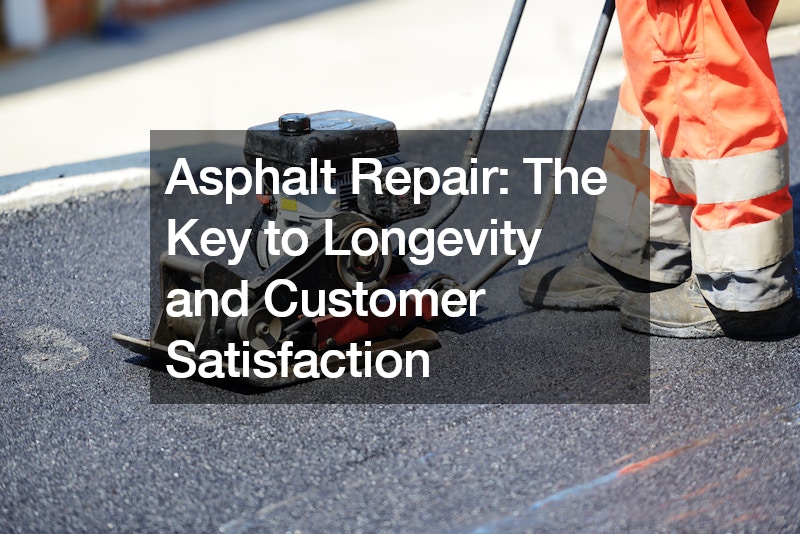

The exterior surfaces of your property are the first things visitors, clients, and neighbors see. A well-constructed surface offers far more than just visual appeal; it is a critical component of your property’s infrastructure that dictates safety, accessibility, and long-term value. Whether you are managing a sprawling commercial complex or looking to upgrade your residential home, the quality of the surface beneath your tires matters immensely.
Unfortunately, the industry is fraught with risks for the uninformed buyer. Hiring inexperienced or cut-rate professionals can lead to financial nightmares. Poor drainage can cause water to pool and seep into the foundation of your buildings. Inadequate base preparation can result in premature cracking, crumbling edges, and even dangerous sinkholes that pose liability risks. The difference between a surface that lasts twenty years and one that falls apart in two comes down to the expertise of the crew you hire.
While the sheer scale and logistical needs of a massive commercial space differ significantly from those of a suburban home, the vetting process for hiring the right professionals shares the same foundational rules. Proper diligence requires you to look past the sales pitch and dive deep into the technical specifications of the job.
This comprehensive guide will walk you through everything you need to know. You will learn a step-by-step, actionable approach to assessing your exact needs, vetting potential candidates with the scrutiny of an auditor, understanding the materials being proposed, and locking in an ironclad contract that protects your investment for decades to come.
Assess Your Property’s Specific Needs

Before you begin reaching out to professionals, you must clearly define the scope of your project. Without a firm understanding of what your property requires, you cannot accurately compare estimates or gauge the competence of the professionals bidding on your job.
Determine the Scale and Traffic Load of Your Project
The most critical factor in determining the engineering requirements of your project is the anticipated weight and volume of traffic. Surfaces are not one-size-fits-all; they must be engineered from the ground up to support specific loads.
-
Residential Traffic: A standard home surface generally only needs to support the weight of personal vehicles like sedans, SUVs, and occasionally a delivery van. This means the sub-base and surface layers do not need to be engineered to the extreme depths required for heavy industrial use. However, understanding the exact soil composition of your yard and the specific weight requirements dictates the depth and base needed for successful driveway paving. If you own heavy recreational vehicles (RVs) or large boats, you must communicate this, as the standard residential thickness will not suffice and will quickly succumb to rutting and depression under sustained heavy loads.
-
Commercial Traffic: Commercial properties face entirely different challenges. Retail centers, industrial parks, and apartment complexes must endure constant traffic from heavy garbage trucks, delivery freight, and hundreds of daily commuter vehicles. The sheer volume creates sheer stress—the horizontal force exerted when vehicles turn their wheels. These projects require deep, multi-layered base construction, thicker surface courses, and specialized compaction techniques.
Identify Existing Damage vs. New Construction Needs
You must also evaluate the current state of your property to understand the scope of the labor required. Do not assume that an old surface must be completely ripped out, nor should you assume that a fresh layer over a crumbling foundation will solve your problems.
-
Overlays vs. Full Tear-Outs: If your current surface is generally structurally sound but suffers from surface-level spiderweb cracking or minor oxidation, an overlay (putting a new layer directly over the old one) might be a cost-effective solution. However, if the surface features deep potholes, severe “alligator” cracking, or foundational sinking, the sub-base has failed. In this scenario, any professional who suggests a simple overlay is setting you up for failure. The old material must be entirely excavated, and the sub-base rebuilt and compacted.
-
Commercial Scope: Commercial property managers must also consider factors beyond the surface material. They should specifically seek a qualified parking lot paving contractor who can handle large-scale grading, install complex drainage systems like catch basins, and ensure the final product features ADA-compliant line striping and signage.
Vet Potential Candidates Thoroughly

Once you have a firm grasp of your project’s parameters, the next step is building a list of prospective professionals and putting them through a rigorous vetting process. Do not let low prices blind you to red flags; the cheapest bid is often the most expensive mistake.
Verify Licensing, Insurance, and Bonding
The most fundamental step in protecting yourself and your property is ensuring that the crew stepping onto your property operates legally and with adequate financial backing. Never take a professional’s word that they are insured; demand physical proof.
-
General Liability Insurance: This protects your property. If a crew member accidentally drives a heavy roller into your garage door or ruptures an underground utility line, general liability insurance covers the cost of the damages. Without it, you could be left footing the bill for their mistakes.
-
Worker’s Compensation: This protects you from liability if a worker is injured on your property. Surface installation involves heavy machinery, boiling hot materials, and hazardous conditions. If an uninsured worker is severely burned or injured on your land, they could potentially sue you for medical costs. Reputable asphalt paving contractors will never hesitate to provide these documents upfront, often having their insurance provider email the certificates directly to you to prove they are active and valid.
-
Licensing and Bonding: Ensure the business holds all required state and municipal licenses to operate. A surety bond acts as a financial guarantee that the contractor will fulfill the terms of the contract and pay their subcontractors and suppliers. If they abandon the job halfway through, the bond provides financial recourse to hire someone else to finish the work.
Check Nearby References and Past Projects
Online reviews on platforms like Google or Yelp can provide a general sense of a company’s reputation, but they can also be manipulated or fail to tell the whole story. To truly judge the quality of a crew’s work, you must look at their physical track record.
-
Request a Portfolio of Past Work: Ask for a list of addresses where they have completed work similar to your project within the last three to five years. Freshly laid surfaces always look pristine and jet-black. The true test of quality is how a surface looks after enduring multiple freeze-thaw cycles, blazing summer heat, and years of traffic.
-
Physical Inspections: Drive by these locations. Look at the edges—are they crumbling or firmly packed? Look at the overall slope—is there standing water pooling in the center? Check where the surface meets the street or the garage—is the transition smooth, or has it heaved and created a tripping hazard?
-
Regional Expertise: Keep in mind the distinct advantage of hiring a local paving company, as they are intimately familiar with regional soil types, local weather patterns, and specific municipal zoning laws and permit requirements. They know exactly how deep the frost line is in your specific county and will engineer the base accordingly.
Evaluate Material Choices and Project Scope

The longevity of your surface is entirely dependent on the materials chosen and the hidden work done beneath the surface. Understanding these elements ensures you are paying for quality engineering, not just a cosmetic topcoat.
Compare Upfront Costs Versus Lifespan
Different surface materials offer varying balances of initial cost, aesthetic appeal, maintenance requirements, and long-term durability.
-
Flexible Pavements: Blacktop is the most common choice for both residential and commercial applications due to its flexibility, cost-effectiveness, and speed of installation. Because it is a flexible material, it expands and contracts with temperature fluctuations, making it highly resistant to frost heave. It also melts snow faster due to its dark color absorbing heat. However, it requires a strict maintenance schedule to prevent the petroleum binders from oxidizing and drying out under the sun.
-
Rigid Pavements: If you are looking for an alternative with a vastly different aesthetic and structural profile, you must weigh the pros and cons carefully. You might prefer the rigid longevity and higher upfront investment of a concrete driveway. This material can last up to fifty years with minimal maintenance and can be stamped or colored to mimic high-end stone or brick. However, it is prone to cracking if the ground shifts, cannot be easily resurfaced, and is vulnerable to damage from rock salt during winter de-icing.
Ensure Proper Base Preparation and Drainage
The secret to a surface that lasts decades is not the top layer; it is the foundation. If the sub-base is compromised, the surface will inevitably fail, regardless of how high-quality the top materials are.
-
Subgrade Excavation and Compaction: The process must begin with excavating the topsoil to reach the load-bearing subgrade. This subgrade must be laser-graded and compacted using heavy vibratory rollers. If the soil is excessively soft or contains too much clay, it may need to be treated with lime or entirely removed and replaced with a structural fill.
-
The Aggregate Base: Once the subgrade is prepared, a thick layer of crushed aggregate (stone and gravel) is laid down. This acts as the primary load-bearing mechanism and provides crucial frost protection by allowing water to drain away rather than freezing and expanding beneath the surface. The thickness of this base layer should be explicitly detailed in your proposal.
-
Water Management: Water is the absolute worst enemy of any paved surface. Your contractor must have a meticulous plan for water runoff. The surface must be graded with a specific slope (typically a minimum of 1/4 inch per foot) to ensure water flows away from buildings and off the edges. Any premium asphalt paving service must include detailed grading, compaction, and drainage management as part of their standard operating procedure. If water sits on the surface, it will eventually penetrate the pores, destroy the binder, and cause potholes.
Understand Maintenance and Long-Term Value
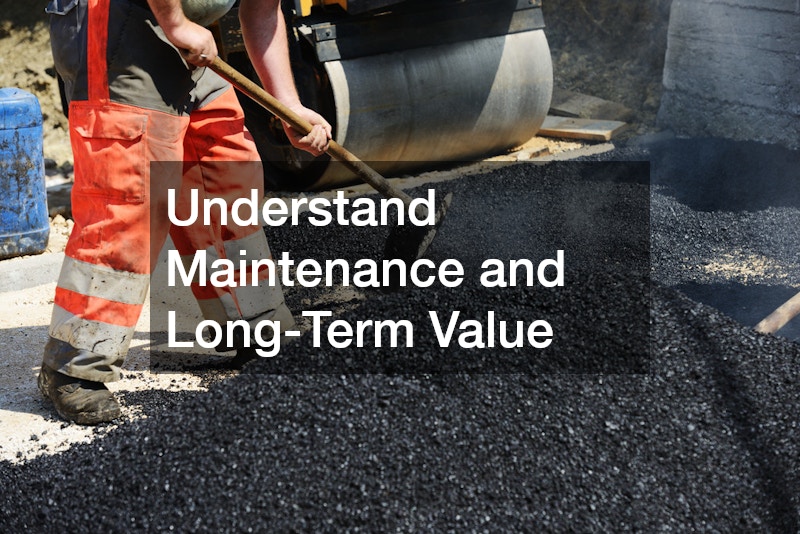
Your relationship with your property’s exterior does not end on the day of installation. To protect your financial investment, you must adopt a proactive mindset regarding maintenance. Understanding the lifecycle of your new surface will save you thousands of dollars over the years.
Ask About Preventative Care Timelines
Even the most perfectly engineered surface will succumb to the elements if left entirely unprotected. UV rays bake the essential oils out of the material, turning it brittle and gray. Vehicle fluids like motor oil, transmission fluid, and gasoline act as solvents, literally dissolving the chemical bonds that hold the rock and sand together.
-
The Curing Process: Newly laid surfaces need time to cure and off-gas their lighter oils. You should never apply any protective coatings immediately after installation. Typically, you must wait a minimum of six to twelve months before applying any treatments.
-
Protective Coatings: After the initial curing period, it is vital to apply a protective barrier. Suggest asking the contractor if they also offer a recurring asphalt sealcoating service to protect the surface from UV rays, oil spills, and water penetration. This treatment replenishes lost surface oils, provides a rich, dark cosmetic finish, and acts as a shield against the elements. This should generally be repeated every two to three years, depending on your climate and traffic load.
Clarify the Process for Fixing Future Wear and Tear
Regardless of how well you maintain the surface, time and Mother Nature will eventually cause minor damage. The key is catching this damage early before it cascades into a major structural failure.
-
Crack Filling: As the ground freezes and thaws, minor cracks will inevitably appear. These must be dealt with immediately. If water is allowed to enter a crack, it will wash away the aggregate base beneath it, creating a void that will collapse into a pothole. Cracks should be blown clean with compressed air and filled with a heated, rubberized crack filler that expands and contracts with the weather.
-
Long-Term Partnerships: When vetting professionals, it is wise to look toward the future. Recommend finding out if the crew handles long-term asphalt driveway repairs or if you will need to find a secondary specialist later on. Having a single company that intimately knows the history, engineering, and material composition of your property makes future maintenance seamless and ensures accountability.
Review the Contract and Warranty Details
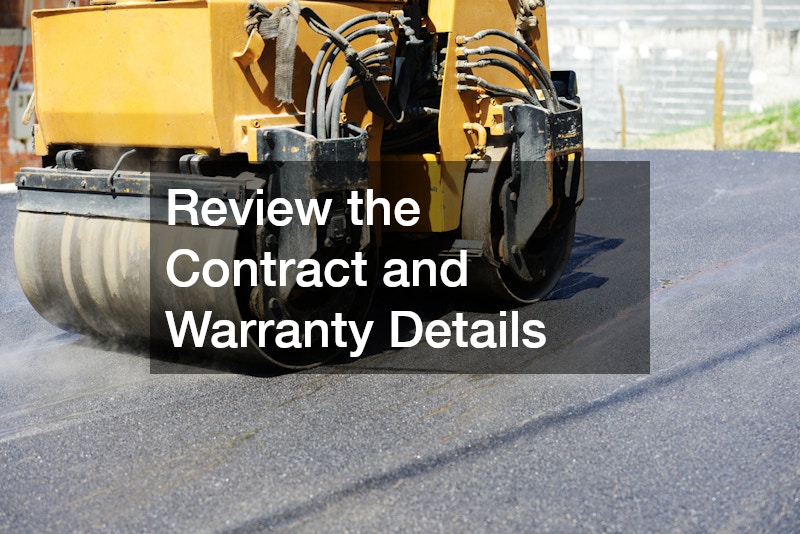
The final and arguably most crucial step before any machinery arrives on your property is finalizing the contract. A handshake and a verbal promise offer zero legal protection. The contract is your only shield against hidden fees, substandard materials, and abandoned projects.
Demand Itemized Quotes to Prevent Hidden Fees
A lump-sum quote that simply states “Pave Property – $15,000” is entirely unacceptable. This leaves massive loopholes for a contractor to cut corners on materials to increase their profit margin. You must demand an itemized proposal that breaks down the project into granular details.
-
Material Specifications: The contract must state the exact tonnage or square footage of the materials being used. More importantly, it must detail the compacted thickness of each layer. For example, it should specify “Install 6 inches of compacted crushed aggregate base” and “Install 3 inches of compacted hot-mix surface course.” Note that “compacted thickness” is different from “loose thickness.”
-
Scope of Labor: The contract should detail exactly what labor is included. Does it include the removal and legal disposal of the old materials? Does it include adjusting manhole covers or utility grates to the new surface height? Does it include site cleanup and repairing any landscaping damaged during the heavy equipment operation? Legitimate driveway contractors will always provide a detailed, written breakdown rather than a vague verbal estimate.
-
Payment Schedules: Never pay the entire amount upfront. A standard practice is a partial deposit (e.g., 20% to 30%) to secure a spot on the schedule and cover initial material deliveries, with the balance due upon completion and your final inspection of the work.
Scrutinize the Fine Print on Guarantees
A warranty is only as good as the company backing it and the specific language written within it. You must read the fine print to understand what is genuinely covered and what constitutes a voided agreement.
-
Installation vs. Material Defects: Clarify what the warranty covers. Does it cover the materials themselves, the labor/installation, or both? If a pothole forms after six months, will they patch it for free, or will they claim it was due to “normal wear and tear”?
-
Exclusions and Void Clauses: Understand what actions on your part will void the warranty. For instance, allowing heavy construction dumpsters on a residential surface will almost certainly void the guarantee. Similarly, turning the steering wheel of a heavy vehicle while stationary (power steering tearing) is often excluded from warranty coverage.
-
Industry Standards: Explain that a confident asphalt paving company stands behind its work with a standard 1-to-2-year warranty against installation defects like severe unraveling, improper water drainage, or foundational failure not caused by extreme, unforeseen acts of nature. If a company refuses to offer a written warranty or offers something absurdly short like 30 days, walk away immediately.
Conclusion
Revitalizing the exterior infrastructure of your property is a significant financial undertaking, but it is one that yields massive returns in safety, aesthetics, and overall property value. The key takeaway from this extensive process is that preparation, education, and thorough vetting are the absolute best defenses against a botched installation.
By taking the time to precisely calculate your property’s load requirements, demanding comprehensive proof of insurance, scrutinizing the engineering of the sub-base, and refusing to sign anything less than a granular, itemized contract, you strip away the risks associated with the industry. You transition from a vulnerable buyer to an informed project manager.
Do not let the urgency of a crumbling surface pressure you into making a hasty decision. The time you invest right now in finding the right professional team will pay dividends for decades to come, resulting in a durable, pristine surface that enhances your property year after year. Take a walk around your property today, note the drainage patterns, measure the square footage, and begin demanding the high level of professionalism your investment deserves.