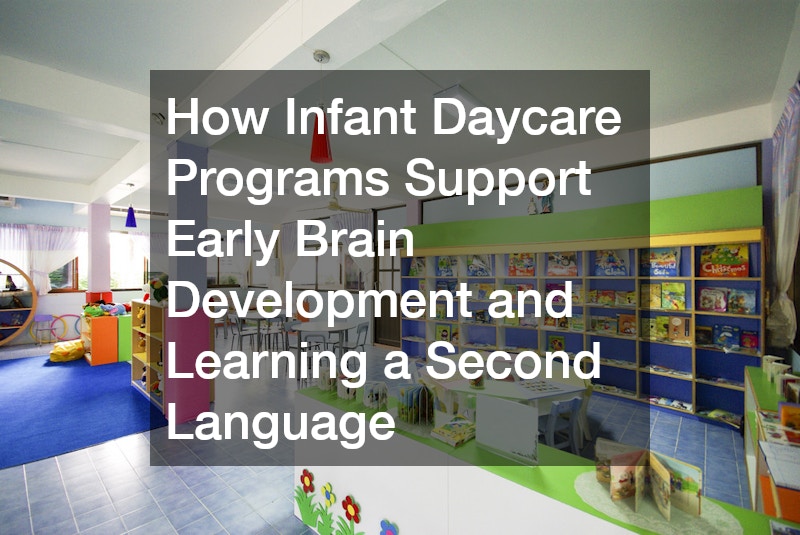

Early childhood marks one of the most remarkable periods of growth in a person’s life. From the moment infants begin to interact with the world, their brains form millions of neural connections every second. This rapid development lays the foundation for lifelong learning, social skills, and cognitive abilities. For many families, enrolling their child in an infant daycare program is an intentional investment in their early growth. These professional environments provide structured, nurturing experiences that support basic care and offer rich opportunities for language development, exploration, and early academic readiness.
Parents considering care options often weigh the benefits of structured learning versus home care. How can daycare programs promote early brain development? In what ways can exposure to multiple languages enhance communication skills? And what sets apart high-quality programs like a local preschool program or a private school? Understanding these factors can help families make informed decisions that benefit their children’s long-term learning and social-emotional growth.
Understanding the Science of Early Brain Development
The first three years of life are a period of extraordinary brain growth. At birth, a baby’s brain is about 25% of its adult size, reaching roughly 80% by age three. Early experiences—relationships, sensory input, and stimulation—directly shape neural pathways, influencing motor skills, emotional regulation, and cognitive development.
Infant brains are particularly receptive to sounds and language patterns. This makes early childhood an ideal window for developing communication skills and laying a foundation for future learning. Children who receive responsive care in stimulating environments often demonstrate stronger language abilities and cognitive performance later on. For families, a high-quality daycare program that encourages engagement can be a key complement to home care.
Recent studies highlight that interactive engagement with caregivers has measurable effects on brain architecture. For instance, hearing a variety of words, being spoken to in contextually rich ways, and having emotions mirrored by adults enhances synaptic growth. These experiences are not just academic; they support social-emotional health, confidence, and resilience—traits essential for thriving in preschool and early schooling. Exposure to diverse experiences in a daycare setting, even simple variations in play materials or sensory input, further strengthens neural flexibility.
The Role of Infant Daycare in Early Learning
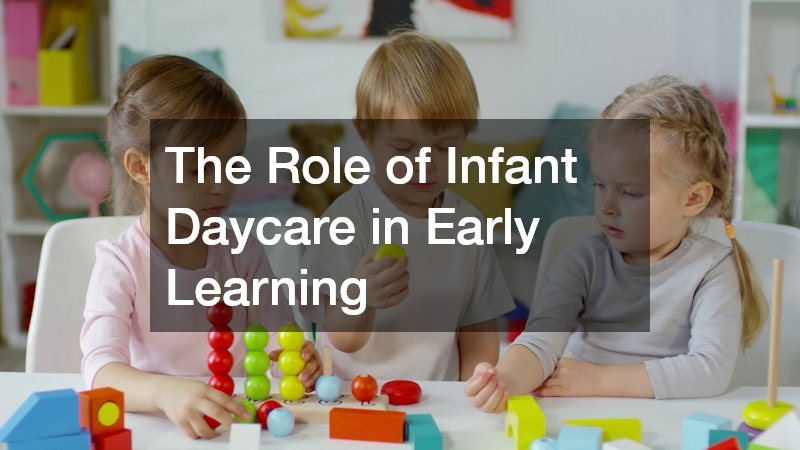
A well-designed infant daycare program goes beyond supervision. It provides opportunities for children to explore, respond, and develop skills in a safe and structured setting. Caregivers trained in early childhood development know how to foster curiosity, emotional growth, and cognitive skills.
Predictable routines help infants feel secure. Consistent schedules support trust and provide a framework for early learning. Infants begin to understand sequences, learn through repeated exposure to words, and pick up social cues by observing caregivers and peers. These early experiences lay a strong foundation for later success in preschool and can influence readiness for programs that are considered the best pre k.
In addition to daily routines, daycare programs often integrate milestone tracking. By observing physical, cognitive, and emotional development, caregivers can tailor activities to individual needs, ensuring that every child reaches their potential. Programs that monitor progress in language acquisition, motor development, and social skills help parents make informed decisions about transitions to local preschool programs or other early education options.
Early Language Exposure: A Gateway to Communication Skills
Language development starts long before infants speak their first words. Babies absorb linguistic patterns from their surroundings immediately after birth. Listening to voices, hearing diverse sounds, and responding to facial expressions all shape communication skills.
In infant daycare programs, caregivers actively engage children with storytelling, songs, and interactive conversation. These back-and-forth exchanges stimulate brain regions associated with language comprehension and expression. Early exposure to a second language can also enhance pronunciation and fluency. Programs that incorporate learning a second language through songs, simple greetings, or bilingual books provide cognitive benefits while fostering cultural awareness. This early multilingual exposure can be particularly advantageous in shaping flexible thinking and social adaptability.
Children exposed to multiple languages from infancy often demonstrate stronger problem-solving skills and mental flexibility later in life. Even simple exposure—such as hearing a second language during activities for young children—can enhance phonetic recognition and strengthen neural pathways associated with communication. Caregivers who combine language with gestures, songs, and interactive play make the learning experience both natural and joyful. Additionally, early bilingual exposure can increase children’s attention span and memory skills, creating cognitive advantages that last into school years.
Activities That Promote Development in Infancy
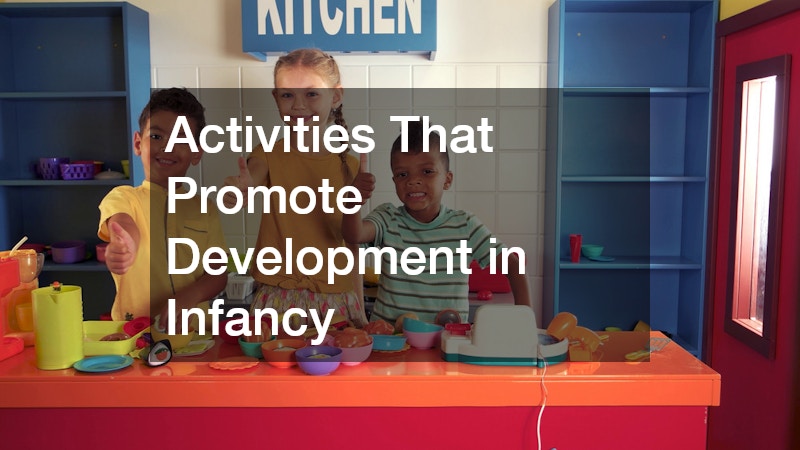
Effective daycare programs include intentional activities for young children designed to support sensory, motor, social, and cognitive development. These activities are tailored to each stage of growth while keeping children engaged and safe.
Sensory Play
Infants explore the world through touch, sight, and sound. Textured toys, mirrors, and safe sensory materials help develop fine motor skills and encourage early problem-solving. Water play, sand tables, and sensory bins allow infants and toddlers to explore textures while learning cause-and-effect relationships.
Music and Movement
Songs, rhythm games, and gentle dancing improve auditory discrimination, coordination, and early pattern recognition. These activities also support early language rhythms and vocabulary acquisition. Music-based games can be particularly effective for introducing words in a second language, creating a fun and memorable learning experience.
Story Time
Picture books and interactive reading sessions promote attention span, introduce new words, and develop narrative understanding. Even infants who cannot speak absorb patterns and vocabulary through repeated exposure. Including diverse storybooks and bilingual materials fosters cultural awareness and language skills from a young age. Caregivers can even encourage toddlers to point at images, name objects, or mimic sounds, further reinforcing early literacy skills.
Social Interaction
Small group interactions foster social skills like turn-taking, empathy, and expressive communication. Toddlers in particular benefit from guided play that teaches cooperation and self-regulation. Role-playing activities, puppet play, and collaborative games prepare children for the social dynamics of preschool and early elementary environments.
Outdoor Exploration
Outdoor activities encourage gross motor development, coordination, and sensory experiences. Safe spaces for crawling, walking, or exploring allow children to develop physically while observing and interacting with their surroundings. Nature walks, playgrounds, and guided movement activities also provide opportunities to expand vocabulary and engage in exploratory conversation, supporting both physical and cognitive growth. Even short outdoor sessions can help toddlers practice decision-making and spatial awareness.
By combining structured activities for young children with responsive caregiving, daycare programs can significantly enhance early brain development and set the stage for lifelong learning.
From Daycare to Preschool: Building the Bridge
As infants grow into toddlers, their developmental needs evolve. Early experiences in daycare provide a foundation for a smooth transition into preschool or early learning programs. Programs that emphasize language, social skills, and exploration help children adapt easily to structured classrooms.
High-quality programs, often referred to as best pre k, provide small group sizes, qualified teachers, and play-based learning that promotes curiosity and social competence. Children who begin in well-structured infant daycare programs often exhibit confidence, adaptability, and readiness for the challenges of formal education.
Additionally, continuity between daycare and local preschool program environments helps children maintain secure attachments while learning new routines. Familiar caregivers, predictable schedules, and developmentally appropriate transitions reduce stress, allowing toddlers to focus on social, cognitive, and language development.
Many programs also emphasize parent involvement. Families who engage with caregivers through regular communication, workshops, or home activity suggestions help extend learning beyond the classroom. This collaboration enhances outcomes in language acquisition, social-emotional skills, and curiosity-driven learning. Parents can also reinforce vocabulary and routines at home, supporting skills introduced during daycare activities.
Complementary Learning Outside of Daycare
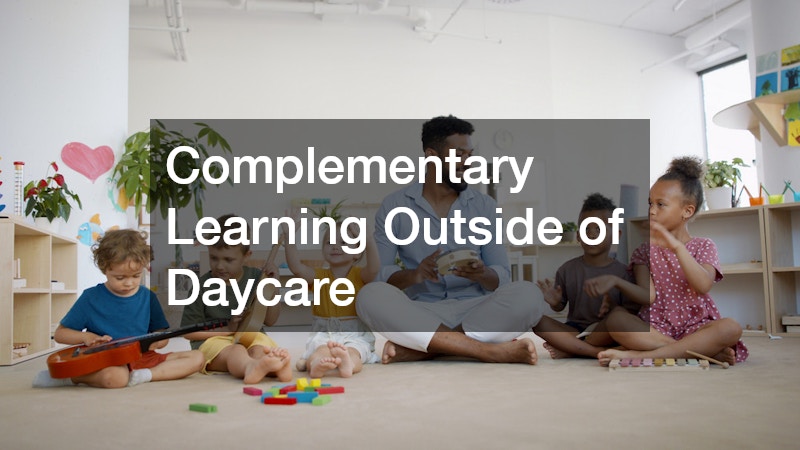
Learning doesn’t stop at the daycare door. Community-based activities, outings, and family involvement enhance early childhood development. Planning visits to local attractions, such as childrens museum hours, offers hands-on learning that strengthens cognitive, motor, and language skills.
Museums and community centers provide interactive experiences where children can explore tactile exhibits, engage in music or movement activities, and participate in age-appropriate challenges. Parents and caregivers who talk through experiences, ask questions, and encourage children to express themselves help reinforce learning from daycare environments.
Even everyday routines at home—like cooking, gardening, or grocery shopping—become learning opportunities when children are included and encouraged to communicate. Simple conversations, labeling objects, counting, and introducing new words, including in a second language, expand vocabulary and cognitive understanding. These experiences complement the structured activities for young children at daycare and reinforce concepts learned in early care. Regular exposure to real-life language and social contexts helps toddlers internalize lessons more effectively.
Supporting Toddlers Through Transitional Growth
The toddler years are filled with discovery and rapid growth. In daycare and local preschool programs, caregivers guide children through exploration, language expansion, and increasing independence. Toddlers thrive when they have safe opportunities to make choices and practice self-regulation.
Language development accelerates during this stage, and toddlers benefit from structured play and early social experiences. Guided group activities and free-choice play allow toddlers to practice problem-solving, cooperation, and communication. Children who previously attended infant daycare programs often transition more smoothly into these environments because they have already developed foundational social and cognitive skills.
Programs that emphasize social-emotional learning help toddlers build empathy, resilience, and confidence. They learn to navigate conflicts, share with peers, and communicate needs effectively. These skills are particularly important when entering preschool or preparing for private school settings.
Adding simple life-skills activities like dressing, pouring, or sorting at daycare also reinforces autonomy and problem-solving. These activities, though small, strengthen cognitive connections, support fine motor development, and encourage a sense of accomplishment that boosts confidence.
Choosing the Right Program: What Parents Should Look For
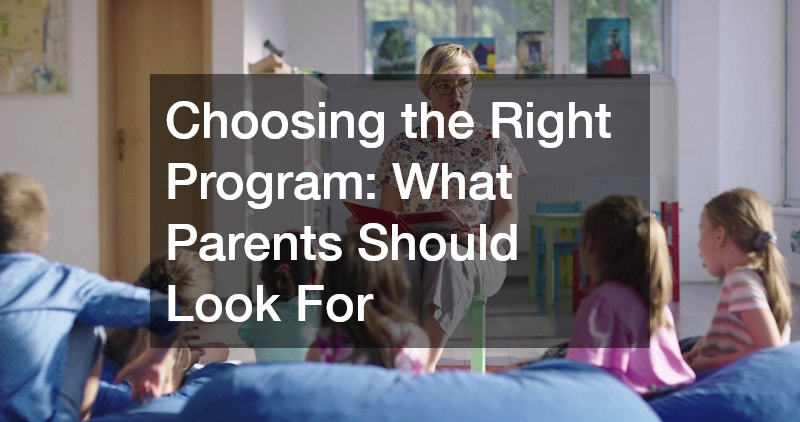
Selecting a daycare, local preschool program, or private school is a major decision for families. Certain indicators suggest high-quality programs that support early brain development and holistic learning:
Staff Qualifications and Engagement
Caregivers should be trained in early childhood development and build warm, responsive relationships with each child. This promotes secure attachment, social growth, and language development.
Environment and Materials
Enriched, safe spaces with books, toys, and sensory materials encourage exploration and skill-building. Age-appropriate equipment supports milestones from crawling to walking.
Family Communication
Programs that provide regular updates, guidance on home activities, and developmental insights foster collaboration and consistency between care and home environments.
Language Support
For families interested in learning a second language, programs that incorporate basic vocabulary, songs, and dual-language interaction allow children to benefit from early multilingual exposure. Even brief, daily exposure during activities for young children can yield measurable gains over time.
Transitions and Continuity
Thoughtful planning for transitions between age groups and consistent approaches to routines help children feel secure. Continuity supports learning outcomes and builds confidence for future education.
Parents are encouraged to visit programs, observe routines, and ask questions. Programs where caregivers know children by name, engage with them intentionally, and offer a variety of activities for young children are likely to provide a nurturing, high-quality experience.
Long-Term Benefits of Early Infant Care
Research indicates that high-quality infant daycare can positively impact long-term academic and social outcomes. Children who experience early care with structured stimulation often demonstrate:
- Improved vocabulary and communication skills
- Greater readiness for preschool and early schooling
- Enhanced problem-solving and cognitive flexibility
- Stronger social-emotional regulation
- Increased confidence in group learning settings
Exposure to a second language during infancy supports future academic success and cross-cultural competence. Children who practice learning a second language at a young age tend to excel in language acquisition throughout their school years and may demonstrate superior executive functioning skills.
In addition, children who begin in infant daycare programs are often more prepared for private school environments because they have experienced structured routines, group collaboration, and early literacy activities.
Path for Lifelong Learning
Early childhood is a window of extraordinary potential. Through thoughtful experiences, responsive caregiving, and enriched environments, infant daycare programs play a crucial role in shaping early brain development. These programs support language acquisition, including learning a second language, social-emotional growth, and early problem-solving skills. When combined with family involvement and community experiences like visits during childrens museum hours, children develop confidence, curiosity, and a love of learning.
Children who begin in high-quality daycare settings are better prepared for preschool, best pre k programs, and ultimately a smooth transition to private school or formal education. By understanding the critical role of early care environments, families can make informed choices that set their children on a path for lifelong learning, resilience, and success.