
When a loved one can no longer manage their personal or financial affairs, families are often left searching for answers. One legal solution that may provide protection and stability is a conservatorship. Understanding how this process works and when to involve a conservatorship attorney can make an overwhelming situation more manageable.
At Alan R. Harrison Law, we help families navigate conservatorship matters with clarity, compassion, and a strong understanding of the legal system.
What Is a Conservatorship?
A conservatorship is a court-ordered arrangement in which a judge chooses a responsible person (the conservator) to handle the finances and/or personal care of another adult (the conservatee) who can’t do it themselves. This typically occurs when an individual is incapacitated due to age, illness, disability, or injury.
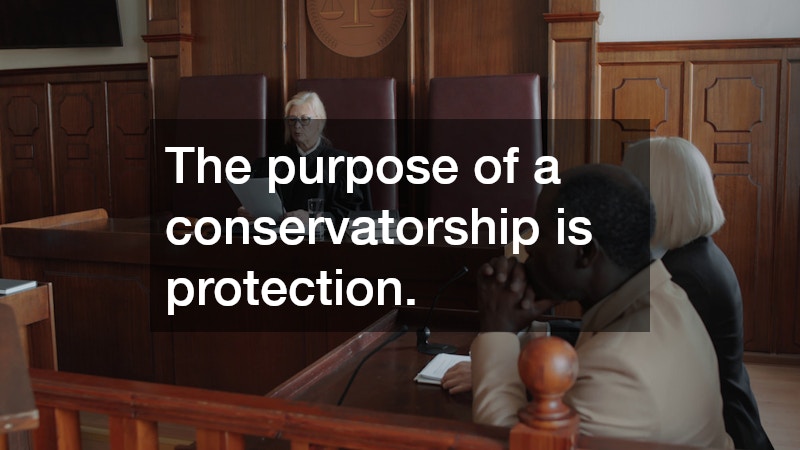
The purpose of a conservatorship is protection. Courts do not grant this authority lightly. Because a conservatorship removes certain decision-making rights from an individual, the legal process includes strict oversight to ensure the arrangement is necessary and in the conservatee’s best interest.
When Is a Conservatorship Needed?
A conservatorship may be appropriate when:
- An elderly parent develops advanced dementia and cannot manage bills or healthcare decisions.
- An adult child with special needs turns 18 and requires continued support.
- A loved one suffers a traumatic brain injury and cannot handle financial or legal responsibilities.
- There is a risk of financial exploitation or self-neglect.
- In many cases, families first explore alternatives such as powers of attorney or healthcare directives. However, if those documents were never created or if the individual no longer has the capacity to sign them, a court-ordered conservatorship may be necessary.
A skilled conservatorship attorney can evaluate your specific situation and help determine whether conservatorship is the right solution.
Types of Conservatorships
Conservatorships generally fall into two main categories:
- Conservatorship of the Estate: This allows the conservator to manage financial matters such as paying bills, managing investments, filing taxes, and protecting assets.
- Conservatorship of the Person: This gives the conservator authority over personal decisions, including medical care, living arrangements, and daily support.
In some cases, one individual may serve in both roles. In others, responsibilities may be divided to ensure appropriate oversight.
How the Conservatorship Process Works
The process typically begins with filing a petition in court. The petition explains why the conservatorship is necessary and identifies the proposed conservator.
The court will then:
- Notify close family members.
- Review medical or psychological evaluations.
- Possibly appoint an investigator to assess the situation.
- Schedule a hearing to determine whether the conservatorship is justified.
At the hearing, the judge evaluates evidence and testimony before making a decision. If granted, the conservator must follow strict legal requirements, including regular reporting to the court regarding finances and well-being.
Because this process involves detailed paperwork, court appearances, and fiduciary responsibilities, working with an experienced conservatorship attorney can significantly reduce errors and delays.
Responsibilities of a Conservator
Being appointed as a conservator is a serious responsibility. The conservator must act in the best interests of the conservatee at all times. This includes:
- Managing assets prudently
- Keeping detailed financial records
- Avoiding conflicts of interest
- Making decisions that prioritize health and safety
- Providing regular accounts to the court
Failure to fulfill these duties can result in court sanctions or removal.
How a Conservatorship Attorney Can Help
Conservatorship cases are often emotionally charged and legally complex. A knowledgeable conservatorship attorney helps families:
- Determine whether conservatorship is necessary
- Prepare and file court documents correctly
- Represent them during hearings
- Ensure compliance with court requirements
- Protect the rights of all parties involved
At Alan R. Harrison Law, we understand that conservatorship matters are not just legal cases — they involve real families facing difficult transitions. Our goal is to guide clients through the process with professionalism, clarity, and care.
Taking the Next Step
If you are concerned about a loved one’s ability to manage their affairs, early legal guidance can make all the difference. Understanding how conservatorship works empowers families to make informed decisions and protect those who need it most.
If you have questions about whether a conservatorship is right for your situation, consulting with a qualified conservatorship attorney can provide the direction and peace of mind you need.