

Remodeling a home is both an exciting opportunity and a complex undertaking. From planning structural changes to coordinating trades, homeowners must juggle multiple priorities to ensure that the project runs smoothly. One of the most common challenges is managing contractors and service providers so that each stage of the remodel happens in the correct order. Without a clear plan, delays, miscommunications, and costly rework can occur.
A comprehensive checklist helps homeowners visualize the scope of the remodel, sequence tasks correctly, and coordinate multiple professionals efficiently. This guide takes you through a remodel from foundation work to final finishes, providing actionable tips for each stage. Following this sequence ensures that every investment, from structural upgrades to luxury finishes, is fully protected and integrated into the home.
Start With Property Assessment and Site Preparation

Before breaking ground on any remodel, a comprehensive assessment of the property is critical. This evaluation ensures that the remodel begins on a stable and well-prepared foundation, both literally and figuratively. Neglecting this step can lead to expensive surprises, delays, and compromised structural integrity later in the project.
Detailed Property Evaluation
-
Soil analysis: Check the type, stability, and compaction of the soil. Certain soils, like clay or loose sand, may require additional grading or reinforcement before construction. Soil testing can also reveal the need for deeper footings or specialized foundation solutions.
-
Drainage inspection: Identify low spots, water runoff patterns, and areas prone to flooding. Improper drainage can damage foundations, patios, or driveways.
-
Underground obstacles: Use utility maps or professional locating services to identify buried pipes, septic lines, cables, or irrigation systems. Avoiding these prevents accidental damage and costly repairs during construction.
-
Topography and site layout: Take note of slopes, existing landscaping, and access routes for equipment and materials. This helps contractors plan staging areas and movement of heavy machinery.
Well Drilling Considerations
For homes relying on private water sources, early planning for well drilling is essential:
-
Location selection: Choose a site that avoids contamination from septic systems, chemical storage, or runoff from landscaping.
-
Depth and capacity: Determine the required depth based on groundwater levels and anticipated household usage. A properly drilled well ensures a consistent water supply during and after construction.
-
Coordination with contractors: Schedule drilling early to prevent conflicts with foundation work, driveways, or grading. Delays in well installation can postpone plumbing or landscaping work.
-
Compliance and permits: Verify local regulations and obtain necessary permits for drilling, testing, and connection to the household water system.
Engaging a Concrete Contractor Early
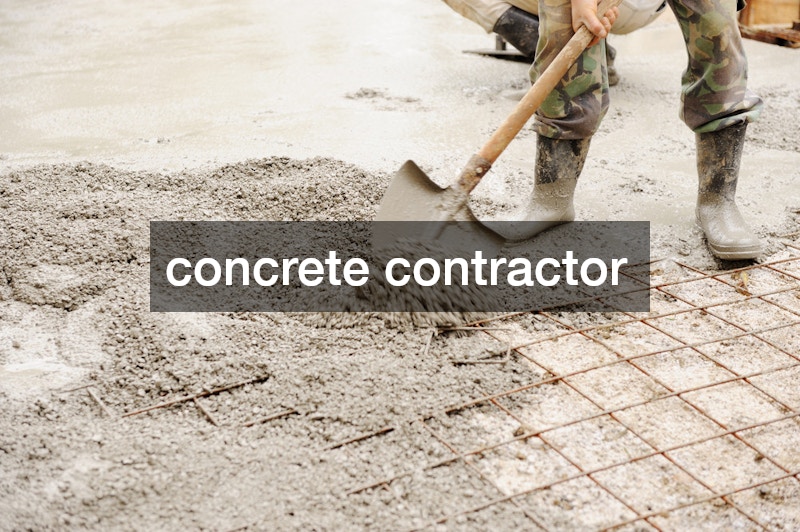
Concrete work often sets the timeline for other exterior and interior projects. Early coordination allows for smoother sequencing:
-
Foundation and footings: Concrete contractors should be involved in planning the foundation layout to account for load-bearing walls, additions, and underground utilities.
-
Slabs, driveways, and patios: Exterior concrete work can affect grading, drainage, and landscaping. Coordinating these elements early ensures that water flows away from the home and that outdoor features align with the remodel design.
-
Material and timing: Schedule concrete pours during favorable weather and ensure proper curing times to prevent cracking or settlement issues.
Documentation and Planning
Keeping detailed records during the assessment and preparation phase provides a clear roadmap for the remodel:
-
Photographs: Capture current conditions, including soil, drainage, existing structures, and any potential problem areas.
-
Notes and measurements: Record dimensions, slopes, and other critical data for the foundation, hardscape, and utilities.
-
Reference for contractors: Provide this documentation to concrete contractors, well drillers, and other trades to prevent misunderstandings or mistakes.
-
Insurance and warranty support: Detailed records help support claims if construction defects or material failures occur.
Actionable Tips for Property Prep
-
Confirm local building codes for foundation depth, well placement, and grading requirements.
-
Ensure that the property is properly graded to direct water away from the foundation and prevent pooling.
-
Coordinate schedules between well drilling and concrete contractors to avoid delays or conflicts.
-
Factor in seasonal weather conditions for concrete pours, as extreme heat, cold, or rain can impact curing and structural integrity.
-
Plan access routes for equipment to minimize soil compaction in landscaped or delicate areas.
By addressing these steps early, homeowners set a strong foundation for their remodel. Proper site preparation not only protects the home’s structural integrity but also ensures that subsequent trades—including plumbing, electrical, and flooring—can proceed without obstruction or rework. Early attention to wells and concrete work minimizes long-term issues, safeguards water supply, and helps the remodel stay on schedule and budget.
Hire a General Contractor and Coordinate With Custom Home Builders

After assessing the property and preparing the site, the next crucial step is hiring professionals who will manage and oversee the remodel. A general contractor acts as the central coordinator, keeping the project on schedule, managing subcontractors, and ensuring compliance with local building codes. Custom home builders, on the other hand, bring specialized expertise for structural additions, complex layouts, or bespoke design elements. Early engagement of both ensures the project flows smoothly and reduces the risk of costly mistakes.
Selecting a General Contractor
-
Verify licenses and insurance: Confirm that the contractor is properly licensed to perform work in your area and carries adequate liability and workers’ compensation insurance. This protects you from liability and ensures that the contractor meets professional standards.
-
Evaluate experience with similar projects: Look for contractors who have managed remodels of comparable size and complexity. Ask about projects with structural modifications, high-end finishes, or multi-trade coordination.
-
Review subcontractor network: A general contractor should have reliable relationships with electricians, plumbers, flooring companies, and other trades. A strong network ensures quality workmanship and smooth scheduling.
-
Assess project management skills: Confirm that the contractor can provide detailed timelines, budget tracking, and proactive problem-solving.
Defining Responsibilities
-
Clarify management roles: Identify who will oversee daily work, handle change orders, and coordinate inspections.
-
Permit management: Determine which contractor is responsible for obtaining building permits, scheduling inspections, and ensuring code compliance.
-
Quality oversight: Assign responsibility for quality checks at key milestones, from framing and drywall to cabinetry and flooring installation.
-
Communication flow: Establish a single point of contact for project updates to avoid miscommunication between trades.
Engaging Custom Home Builders
-
Structural additions and complex designs: Custom home builders are ideal when remodeling involves extensions, loft conversions, or unique architectural elements.
-
Integration with general contractor work: Ensure that custom builders coordinate their structural modifications with electrical, plumbing, and HVAC systems managed by the general contractor.
-
Material and design expertise: Custom home builders can recommend finishes, cabinetry, and layouts that align with your vision while meeting structural and code requirements.
-
Timeline coordination: Work closely with the general contractor to sequence structural work so that it does not delay interior finishes or outdoor improvements.
Setting Communication Expectations
-
Regular progress meetings: Schedule weekly or biweekly site visits to review work, discuss changes, and address any issues.
-
Milestone walkthroughs: Conduct inspections at critical phases, such as foundation completion, framing, and rough-in plumbing or electrical work.
-
Document decisions: Record all agreements on materials, schedules, and design changes to prevent disputes later.
-
Clear channels: Decide whether updates are communicated via email, project management software, or on-site meetings to maintain transparency.
Actionable Tips
-
Request references and portfolios: Speak with previous clients to assess reliability, craftsmanship, and professionalism.
-
Include a detailed timeline in contracts: Outline start and completion dates for major milestones, deadlines for subcontractors, and contingency plans for delays.
-
Ensure shared vision: Make sure all contractors understand your design goals, budget constraints, and project priorities before work begins.
-
Document roles and responsibilities: Create a written plan outlining each contractor’s scope to prevent overlap or gaps in work coverage.
Why This Step Matters
Having skilled project managers in place early avoids conflicts between trades, reduces delays, and ensures the remodel progresses efficiently. Coordination between general contractors and custom home builders allows for:
-
Smooth integration of structural, mechanical, and aesthetic components.
-
Accurate scheduling of subcontractors to prevent downtime.
-
Early detection of potential conflicts between design, construction, and infrastructure.
-
Improved accountability and quality control at every stage.
By selecting the right contractors and establishing clear communication protocols, homeowners create a strong foundation for a successful remodel that meets both functional and aesthetic goals.
Upgrade Plumbing and Water Systems
Reliable plumbing and hot water systems are the backbone of any functional home. Early upgrades prevent conflicts with flooring, cabinetry, and appliances.
Steps for plumbing coordination:
-
Inspect existing plumbing: Identify leaks, corrosion, or outdated pipes that may require replacement.
-
Plan new plumbing layouts: Ensure adequate supply lines for kitchens, bathrooms, laundry rooms, and outdoor irrigation.
-
Schedule water heater service: Replace or upgrade units to meet the increased demands of remodeled bathrooms and kitchens.
-
Coordinate with flooring installation: Avoid damage to new floors by completing rough plumbing first.
Actionable tips:
-
Verify pipe materials for durability and code compliance.
-
Install shut-off valves in accessible locations for easy maintenance.
-
Document system changes for future reference or resale purposes.
Addressing plumbing and hot water systems early ensures functional, reliable water supply throughout the remodeled home.
Plan for Heating, Cooling, and Propane Systems
Heating, ventilation, and propane-based appliances require careful planning. Integrating these systems early ensures energy efficiency and prevents conflicts with structural or interior work.
Steps for system planning:
-
Evaluate heating and propane needs: Determine if propane will be used for cooking, fireplaces, or heating.
-
Work with propane companies: Ensure safe installation, connection, and testing of lines and appliances.
-
Coordinate with general contractors: Plan routing for propane lines, ducts, and vents to avoid interference with walls, floors, or cabinetry.
-
Consider future expansion: Map areas where additional appliances, heating zones, or outdoor features may be added.
Actionable tips:
-
Confirm all permits for propane installations.
-
Schedule inspections after installation to ensure compliance with safety codes.
-
Use clear labeling for all propane lines to prevent confusion during future maintenance.
Proper sequencing of heating and propane systems ensures safety, efficiency, and smooth integration with other trades.
Implement Pest Prevention Measures

Construction can disturb soil, vegetation, and existing structures, creating opportunities for pests. Early preventative measures protect both new and existing materials.
Steps to minimize pest risks:
-
Schedule pest control services: Treat areas vulnerable to insects, rodents, or termites before walls, flooring, and landscaping are installed.
-
Coordinate with concrete contractor work: Ensure slabs, foundations, and patios are properly sealed to prevent soil-dwelling pests from infiltrating the home.
-
Inspect landscaping plans: Avoid plantings or irrigation methods that attract pests near foundations or structures.
Actionable tips:
-
Use pre-construction termite treatments where applicable.
-
Seal entry points around windows, doors, and foundations.
-
Maintain follow-up inspections throughout construction and after project completion.
Early pest control reduces the risk of infestations that can compromise both interior finishes and outdoor structures.
Flooring and Interior Surface Preparation
Once mechanical systems are in place, attention shifts to interior surfaces. Proper preparation ensures longevity and prevents costly repairs.
Steps for flooring and surface prep:
-
Hire flooring companies early: Plan subfloor leveling and material selection based on room function and expected traffic.
-
Coordinate with plumbing company work: Ensure that pipes and fixtures are finalized before flooring is installed, especially in bathrooms and kitchens.
-
Choose durable materials: Consider moisture resistance, wear patterns, and style to suit the remodeled space.
Actionable tips:
-
Measure rooms accurately and account for expansion gaps.
-
Protect floors during ongoing construction with temporary coverings.
-
Sequence flooring after heavy construction but before cabinetry and trim installation.
Proper sequencing prevents damage to flooring and ensures that interior finishes are installed correctly and last for years.
Kitchen and Bathroom Layouts
The kitchen and bathroom are often the most complex areas in a remodel. Coordination between layout, plumbing, and hot water systems is critical.
Steps to optimize layouts:
-
Work with custom home builders: Finalize cabinet placement, countertop dimensions, and storage solutions.
-
Verify hot water capacity: Ensure water heater service meets the simultaneous demands of multiple sinks, showers, and appliances.
-
Plan plumbing and electrical: Align water lines, drains, and electrical outlets with cabinetry and appliances.
Actionable tips:
-
Use mockups or 3D renderings to detect spatial conflicts.
-
Confirm clearances for appliance doors, drawers, and countertops.
-
Plan for efficient workflow between prep, cooking, and cleaning areas.
Proper coordination avoids costly adjustments and ensures that these functional spaces are both beautiful and practical.
Outdoor Living and Recreational Spaces
Outdoor areas, including patios, decks, and hot tubs, are often key features in modern remodels. Coordinating these elements ensures safety, durability, and aesthetics.
Steps for outdoor enhancements:
-
Engage a concrete contractor: Install patios, walkways, and decks to support landscaping and recreational elements.
-
Schedule hot tub repairs or installation: Integrate plumbing, electrical, and drainage considerations before completing landscaping.
-
Coordinate with landscaping: Ensure grading, soil stabilization, and plant placement complement outdoor hardscapes and recreational areas.
Actionable tips:
-
Confirm load capacities for decks or patio structures.
-
Inspect drainage around hot tubs to prevent water damage.
-
Sequence installation to avoid damage from heavy equipment or debris.
Proper planning ensures that outdoor living spaces are safe, functional, and aesthetically cohesive.
Safety and Mechanical Systems Review
Before completing final finishes, a thorough review of mechanical and safety systems is essential.
Steps for system verification:
-
Inspect propane installations: Ensure lines, tanks, and appliances meet safety codes.
-
Perform final pest control inspections: Address any lingering risks to wood, insulation, or landscaping.
-
Coordinate with other trades: Verify that mechanical, electrical, and plumbing work is properly integrated and functioning.
Actionable tips:
-
Conduct pressure and leak tests for propane systems.
-
Maintain pest monitoring logs and schedule follow-ups.
-
Address minor issues before final walkthroughs to prevent costly rework.
A thorough safety review protects both residents and the integrity of the remodel.
Final Finishes and Quality Checks
The last stage of a remodel involves finishing touches and quality control. Attention to detail ensures that the remodel is complete, functional, and visually appealing.
Steps for finishing work:
-
Install final flooring, trim, and cabinetry: Flooring companies should oversee the placement to prevent damage.
-
Conduct walkthroughs with general contractors: Identify and address defects before project closeout.
-
Verify alignment with design plans: Ensure cabinets, countertops, and fixtures match the homeowner’s vision.
Actionable tips:
-
Keep detailed records of changes, warranties, and maintenance instructions.
-
Schedule routine maintenance reviews to protect investments.
-
Capture before-and-after photos for documentation and resale value.
Completing these steps ensures a polished, professional finish and long-term satisfaction.
A successful remodel requires careful planning, sequencing, and coordination among contractors, service providers, and homeowners. This is important when working with propane companies, pest control services, custom home builders, hot tub repairs, flooring companies, a plumbing company, a water heater service, a concrete contractor, well drilling, and general contractors. Starting with foundations and site preparation, progressing through mechanical systems, plumbing, flooring, and cabinetry, and finishing with outdoor spaces and final inspections ensures a smooth, efficient process. By following a structured checklist and integrating specialized services such as propane systems, water heaters, hot tubs, and pest control, homeowners can achieve a functional, safe, and beautiful living space while avoiding delays, costly mistakes, and rework.