Every growing business eventually hits a wall that has nothing to do with sales, staffing, or strategy. Instead, it’s the physical infrastructure behind the scenes – things like aging septic systems, cramped facilities, unpaved lots, and overlooked liability exposure – that quietly slow momentum. These risks rarely show up on a balance sheet until they become expensive emergencies.
Understanding them early can save a business owner from a costly surprise down the road.
Choosing the Right Space Before You Outgrow It
One of the most common infrastructure mistakes business owners make is signing a lease without thinking past the next twelve months. A space that fits today’s team and inventory can feel impossibly cramped within a year or two, forcing a rushed and expensive move. Before committing, it helps to walk through realistic growth scenarios and ask whether the layout, parking, and zoning can accommodate them.
Searching for commercial property for lease with room to expand, rather than just enough space for current needs, is one of the smartest moves a growing company can make. Landlords are often willing to negotiate expansion clauses or shorter-term renewal options if asked upfront. Taking the time to evaluate these details now prevents a scramble later when growth outpaces the walls around it.
- Check zoning rules for future use changes, like adding a warehouse or retail counter
- Ask about expansion options or right-of-first-refusal clauses on adjacent units
- Evaluate parking capacity against projected staff and customer growth
- Confirm utility capacity, especially power and water, matches future equipment needs
Septic and Wastewater Systems for Standalone Facilities
Businesses operating outside dense city centers often rely on septic systems rather than municipal sewer lines, and this is an area that gets ignored until something backs up. A system sized for a small office can fail quickly once a business adds employees, a break room, or production equipment that increases water usage. Regular maintenance is far cheaper than emergency repairs or a full system replacement.
Scheduling commercial septic system pumping on a consistent basis, rather than waiting for warning signs, keeps wastewater issues from turning into a shutdown. Most commercial systems need attention more frequently than residential ones simply because of higher daily usage. A business that tracks pumping schedules alongside other maintenance tasks avoids the embarrassment and expense of a system failure during business hours.
- Base pumping frequency on actual daily water usage, not just tank size
- Keep maintenance records in case of future property sale or lease renewal
- Watch for slow drains or odors as early warning signs of a failing system
- Budget for periodic inspection of drain fields, not just the tank itself
Parking Lots, Access Roads, and Surface Maintenance
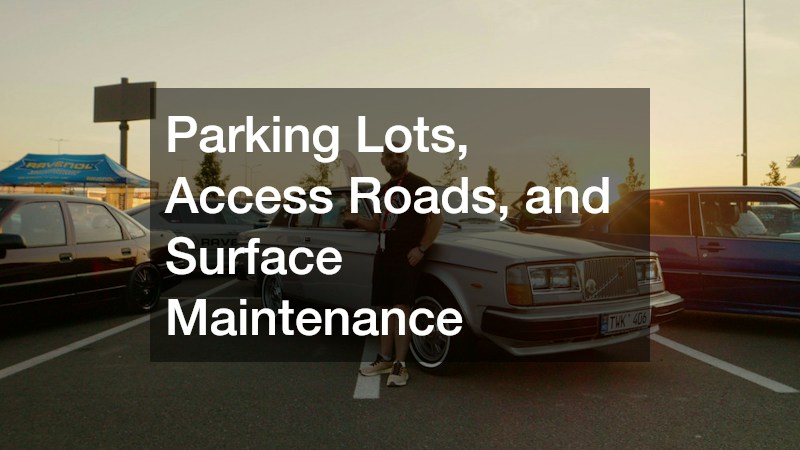
A business’s exterior surfaces take a beating from weather, delivery trucks, and daily foot traffic, yet they often sit at the bottom of the maintenance priority list. Cracked pavement, potholes, and uneven gravel lots are not just cosmetic problems; they create liability risk and can damage vehicles or injure visitors. Left unaddressed, these issues tend to compound quickly, turning a minor patch job into a full resurfacing project.
For businesses managing their own unpaved lots or access roads, regular grading keeps surfaces safe and functional between larger repaving projects. Equipment like a grader blade can smooth out ruts and drainage issues before they turn into standing water or erosion problems. Staying ahead of surface wear is one of the simplest ways to protect both safety and curb appeal.
- Inspect lots seasonally for cracking, potholes, and drainage pooling
- Address small repairs before freeze-thaw cycles make them worse
- Keep gravel or dirt access roads graded to prevent rutting and dust buildup
- Mark hazards clearly until permanent repairs can be made
Delivery and Fleet Vehicle Exposure
As a business grows, it often adds delivery vehicles, service trucks, or a small fleet without fully updating its risk management plan. More vehicles on the road means more exposure to accidents, and commercial vehicle incidents tend to involve higher stakes than a typical fender bender. Business owners should understand their liability before an incident happens, not after.
If a company vehicle is ever involved in a serious collision, especially one involving a larger truck, having a relationship with a trucking accident attorney already in mind can make a significant difference in how quickly the situation gets resolved. These cases often involve complex questions about cargo weight, driver logs, and multiple insurance policies. Knowing who to call before an emergency happens is a small step that pays off enormously when time and documentation matter most.
- Review commercial auto policies annually as fleet size changes
- Require regular vehicle inspections and maintenance logs for all drivers
- Train staff on accident reporting procedures before an incident occurs
- Keep contact information for legal and insurance resources easily accessible
Workplace Injuries and Liability Blind Spots
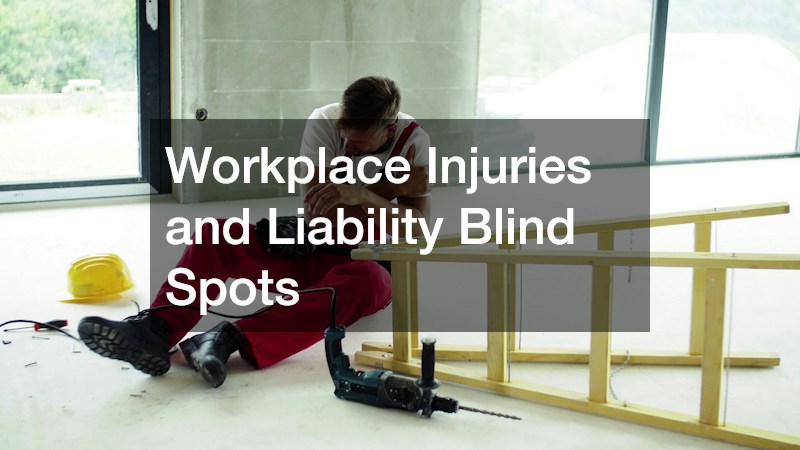
Growing businesses often add employees faster than they update safety protocols, and this gap is where many liability problems start. A warehouse that doubles its staff without revisiting safety training, or a retail store that adds a second location without updating signage and lighting, creates conditions where accidents become more likely. New hires who haven’t been through proper onboarding are statistically more likely to be injured on the job, especially in their first few months, which means rapid hiring without a matching investment in training directly raises risk exposure. The costs here go beyond the immediate medical bills.
A single workplace injury can trigger workers’ compensation claims, OSHA investigations, increased insurance premiums, and in some cases lawsuits alleging negligence if a business knew about a hazard and failed to address it. For a small or mid-sized company, one serious incident can mean tens of thousands of dollars in direct costs, plus lost productivity while an investigation unfolds. Common blind spots include outdated equipment that hasn’t been inspected since a facility expanded, inconsistent enforcement of safety gear requirements across shifts, and a lack of clear incident-reporting procedures that lets small hazards go unaddressed until they cause real harm. Multi-location businesses are especially vulnerable when safety standards aren’t centrally managed, since one site can quietly fall behind without anyone noticing until an incident occurs.
Addressing these gaps proactively is far less costly than dealing with the aftermath. Regular safety audits, refresher training tied to headcount milestones rather than arbitrary calendar dates, and a designated safety owner at each location are relatively low-cost measures that substantially reduce both the likelihood and the legal exposure of workplace injuries.
When an injury does happen, whether to an employee, customer, or visitor, knowing how personal injury lawyers evaluate these situations can help a business understand its own exposure. Attorneys typically look at who controlled the property or equipment involved, whether proper warnings or safety measures were in place, and how quickly the business responded after the incident. That same framework is useful for owners trying to spot weaknesses before a claim ever arises. Many owners assume general liability insurance covers everything, but coverage gaps are common, especially around independent contractors, leased equipment, or work performed by subcontractors who carry their own inadequate policies.
A delivery driver injured on-site, a contractor hurt using a company-owned lift, or a customer slipping near a leased piece of machinery can all fall into murky territory where insurers dispute responsibility. These gaps often go unnoticed until a six-figure claim exposes them. Taking an honest look at where accidents are most likely to occur is the first step toward reducing both risk and potential legal costs. Warehouses, loading docks, parking lots, and areas with heavy foot traffic near equipment tend to generate the most claims. Regular walkthroughs, updated signage, and clear documentation of safety training can make the difference between a minor incident and a costly lawsuit.
- Update safety training whenever staff headcount or equipment changes — a 20% hiring surge or a new piece of machinery can quietly invalidate existing protocols
- Document all workplace incidents, even minor ones (near-misses, small cuts, slips with no injury), since insurers and OSHA investigators often weigh an incomplete paper trail against you
- Review contractor agreements for liability and indemnification clauses, especially who covers injuries, equipment damage, and third-party claims on shared job sites
- Confirm contractors carry their own workers’ comp and general liability coverage before work begins, not after an incident occurs
- Walk through physical spaces regularly looking for hazards through a visitor’s eyes — loose cables, blocked exits, uneven flooring, or poor signage that employees have stopped noticing
- Reassess insurance coverage limits annually as the business grows, since a policy sized for a 10-person shop rarely fits a 50-person operation
Preparing for the Unexpected Legal Dispute
Even with strong prevention measures in place, infrastructure-related incidents sometimes escalate into legal disputes that businesses aren’t prepared to handle. A slip on an icy sidewalk, a malfunctioning piece of equipment, or a delivery mishap can turn into a claim that threatens both finances and reputation if mishandled. Having a plan for these situations, rather than scrambling after the fact, puts a business in a far stronger position.
Researching and identifying the best personal injury lawyer for your industry and region before a dispute arises means a business isn’t making a rushed decision under pressure. Attorneys who specialize in commercial liability understand the nuances of business insurance, property conditions, and regulatory standards in ways a generalist might not. Building this relationship early, even informally, gives a growing company one less unknown to worry about as it scales.
- Ask other local business owners for referrals before you need one
- Confirm experience specifically with commercial, not just personal, liability cases
- Understand fee structures and consultation policies in advance
- Keep key documents, like insurance policies and incident reports, organized and accessible
Conclusion
Infrastructure risk rarely announces itself loudly until a business is already feeling the consequences. By addressing leased space, wastewater systems, surfaces, fleet exposure, workplace safety, and legal preparedness proactively, growing businesses can avoid the costly surprises that stall momentum. The next step is simple: walk through each of these areas this month and identify where your business might be exposed. A little attention now can prevent a major disruption later.