

Owning a home means facing an endless stream of small decisions that, if ignored, turn into expensive emergencies. A roof leak, a dead furnace in January, or a fence collapsing after a storm can all be avoided with a little foresight and a written schedule. The good news is that most property disasters give warning signs long before they become costly, and a simple maintenance calendar can catch them in time. This guide walks through the key systems and seasonal tasks every homeowner should track, so nothing important slips through the cracks.

Mapping Out Your Roof Inspection Schedule
Your roof is one of the most expensive components of your home to replace, yet it is often the most neglected item on a maintenance calendar. Twice-yearly inspections, ideally in spring and fall, let you catch loose shingles, flashing issues, or granule loss before they turn into leaks. Spring checks reveal what winter ice and snow load may have loosened, while fall inspections make sure your roof is sealed up tight before cold weather and heavy precipitation arrive. Many homeowners wait until water is dripping through the ceiling, at which point roof repairs become far more invasive and expensive than they needed to be. A small flashing leak caught early might cost a few hundred dollars to fix, while prolonged water intrusion can mean replacing rotted decking, insulation, and drywall, pushing the bill into the thousands.
Keep an eye out for curling or missing shingles, rusted or lifted flashing around chimneys and vents, and soft spots near gutters where moisture tends to collect. Scheduling a walk-around after major storms is also worth adding to your calendar, since wind and hail damage is not always visible from the ground. Binoculars can help you spot bruised or cracked shingles without climbing a ladder, and checking your attic for daylight or water stains after a storm adds another layer of protection. If your roof is older than 15 years, consider tightening the inspection interval to three times a year, since aging materials are far more prone to sudden failure.
Roofs don’t fail on a convenient schedule, so your calendar should include two self-checks a year, typically in spring and fall, plus a closer look after any major storm with high winds or hail. Walk the perimeter and look for missing or curling shingles, granules collecting in gutters, and any sagging along the roofline. These quick checks take twenty minutes but can catch problems while they’re still cheap to fix.
If your roof is approaching 15 to 20 years old, it is worth building in an annual consultation with roofing companies to get a professional read on its remaining lifespan. They can spot subtle wear patterns that are easy to miss from a ladder or binoculars, like flashing that has pulled away or decking that has started to soften underneath, and many offer free inspections that cost you nothing but time. When you schedule these visits, ask for a written report rather than just a verbal summary. A documented inspection gives you a paper trail for insurance claims and helps you track how conditions change year over year. Catching a failing roof early gives you room to budget and plan rather than scrambling after a sudden collapse or interior water damage.
- Inspect shingles and flashing every spring and fall, looking for curling, cracking, or missing pieces and gaps around chimneys or vents
- Check attic insulation and ventilation once a year for moisture buildup, musty odors, or daylight peeking through the roof boards
- Clean gutters at least twice annually to prevent water backup, adding a third cleaning if overhanging trees drop heavy debris
- Schedule a professional evaluation every 3 to 5 years once the roof passes the decade mark, or sooner if you notice sagging or granule loss in the gutters
- Document any storm damage with photos for insurance purposes, noting the date, weather event, and affected areas for your claim file
- Trim overhanging branches at least 6 feet back to reduce debris accumulation and limit abrasion damage to shingles

Planning Seasonal HVAC Checkups
Heating and cooling systems rarely fail at a convenient time, which is exactly why they deserve a fixed spot on your calendar rather than a reactive phone call. Scheduling heating repair services in early fall, before the first cold snap, means you avoid the busiest season for technicians and the higher prices that come with emergency visits. A furnace that has been quietly losing efficiency all summer can fail the moment you need it most, so a pre-season tune-up is one of the cheapest insurance policies available to a homeowner.
Filters should be changed every one to three months depending on usage and household factors like pets or allergies. Beyond filters, an annual professional inspection can catch cracked heat exchangers, worn belts, or refrigerant leaks long before they become safety hazards or total system failures. Building this into your calendar as a recurring reminder removes the guesswork and keeps your system running efficiently for years longer than neglected units typically last.
Tracking Gutter and Downspout Cleaning
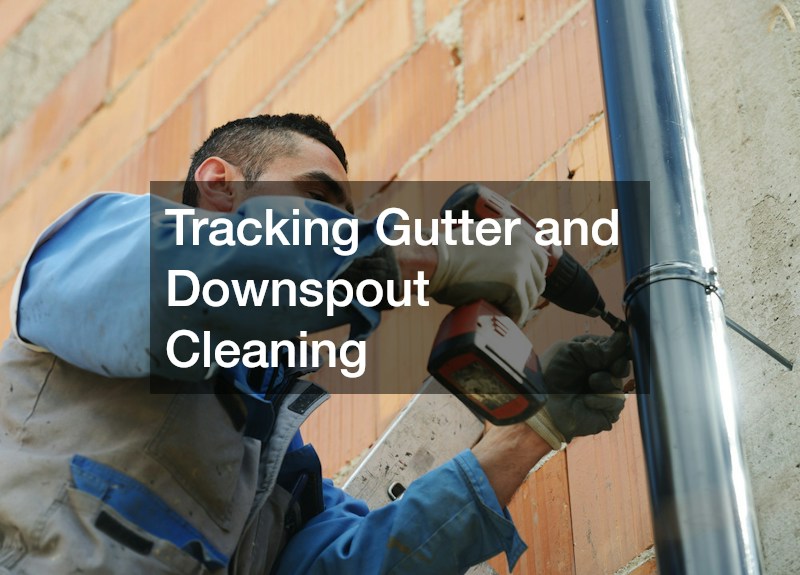
Clogged gutters are one of the most common and preventable causes of foundation and siding damage. When leaves and debris block water flow, rain spills over the sides and pools right next to your foundation, eventually finding its way into basements and crawl spaces. Mark your calendar for cleanings in late spring and late fall, with an extra check after any major storm if you live near large trees.
- Clear debris from gutters and downspouts twice a year minimum
- Check for sagging sections or loose brackets during cleaning
- Confirm downspouts direct water at least 5 feet away from the foundation
- Install gutter guards if you have heavy tree cover nearby
- Look for water stains on siding as a sign of overflow issues
Scheduling Deck and Fence Inspections
Outdoor structures take a beating from sun, rain, and freeze-thaw cycles, so they need a regular place on your yearly checklist. If you are planning a new deck build this season, choosing durable materials upfront can dramatically cut down on future maintenance demands. Composite metal decking has become a popular choice because it resists rot, warping, and insect damage far better than traditional wood, which means fewer surprise repairs down the road.
Fences deserve the same seasonal attention, especially where wood meets soil or metal meets moisture. Walk the perimeter each spring looking for leaning posts, rust spots, or loose panels, and address small issues right away so minor repairs do not turn into full rebuilds. A fence that is inspected and touched up annually will last considerably longer than one that is only addressed when it visibly fails.
- Check deck boards and railings for soft spots or splintering each spring
- Inspect fasteners and hardware for rust or looseness
- Reseal or stain wood decks every 2 to 3 years depending on climate, or consider a deck build using composite metal decking to skip this step entirely
- Walk fence lines twice a year checking posts and gates
- Tighten hinges and latches and touch up any exposed bare wood or metal before it spreads
Budgeting for Larger Renovation Projects
Not every property surprise is a bad one. Some are opportunities worth planning for, which is why a maintenance calendar should also reserve space for upgrades you actually want, not just repairs you can’t avoid. A roof replacement, kitchen remodel, or room addition all deserve their own line item and timeline, separate from routine upkeep. If you’re considering an addition, a full remodel, or starting from scratch, working with a custom home builder allows you to plan the timeline around your existing maintenance schedule rather than letting projects collide unexpectedly. For example, you generally don’t want a major remodel overlapping with the month your HVAC system is due for service, or a foundation inspection falling right as a new addition’s framing goes up.
A good builder can help sequence the work so inspections, permits, and seasonal weather windows all line up sensibly. Spacing out large renovations also gives you time to save properly and avoid financing decisions made under pressure. As a rough guideline, many homeowners budget 10-15% above the initial estimate for unexpected costs that surface once walls are opened or old systems are inspected more closely. Plotting a project 12 to 18 months out on your calendar, rather than deciding on a whim, gives you room to compare contractor bids, line up financing at better terms, and avoid rushing into the first available crew.
Finally, consider staggering bigger projects by at least a year or two if your budget can’t absorb two at once. A new roof one year and a kitchen remodel the next is far easier on both your finances and your household than tackling both simultaneously.

Building in a planning buffer of six months to a year before any major renovation also gives you room to research permits, materials, and contractor availability. Many municipalities take four to eight weeks just to process permit applications, and reputable contractors are often booked out two to three months in advance, so starting early protects you from rushed decisions and inflated “emergency” pricing. This lead time is especially useful for homeowners who want to coordinate exterior work, like a roof replacement or a fence rebuild, with other scheduled improvements so the property is not in a constant state of disruption. For example, if you know a roof is nearing the end of its 20-to-25-year lifespan, you can time gutter replacement or exterior painting to happen in the same work window, saving on scaffolding or equipment rental costs.
A planning buffer also gives you a chance to collect multiple bids, compare material grades, and watch for seasonal pricing dips, since lumber, roofing shingles, and HVAC units often fluctuate in cost throughout the year. Treating renovations as scheduled events rather than reactive fixes turns your maintenance calendar into a genuine budgeting tool instead of just a repair log.
Coordinating Heavy Equipment and Yard Projects
Larger yard and property projects, from grading a slope to removing large trees, often require tools that go far beyond what the average homeowner keeps in a garage. Rather than purchasing expensive machinery you will only use once, many homeowners find that heavy equipment rental is a far more practical and budget-friendly solution for one-off projects. Booking equipment in advance also helps you line up labor and weather windows so the project does not stretch on longer than necessary.
- Confirm rental equipment availability at least two weeks ahead of your project date
- Check weight limits and access points on your property before delivery
- Ask about operator training or included instructions for unfamiliar machinery
- Schedule yard work during dry seasons to avoid soil damage
- Return equipment promptly to avoid extended rental fees
Setting Reminders for Routine Waste and Debris Removal
It is easy to overlook how much routine waste management affects the overall upkeep of a property, but missed pickups or overflowing bins can quietly create bigger problems. Keeping a consistent garbage collection schedule marked on your calendar helps prevent pest issues, odor buildup, and the kind of clutter that makes small maintenance tasks harder to tackle. This is especially important during renovation projects, when construction debris can pile up quickly if removal is not planned alongside the work itself.
For larger cleanouts, such as after a storm or a major decluttering effort, it helps to confirm pickup limits and scheduling windows with your local provider well before the day arrives. Coordinating bulk waste removal with your regular schedule avoids the common mistake of debris sitting out for weeks, which can attract pests or violate local ordinances.
Preparing for Metal Roofing and Exterior Upgrades
Homeowners considering a longer-term exterior upgrade should give themselves plenty of lead time to research materials and installers. Metal roofing contractors can walk you through the tradeoffs between standing seam panels, metal shingles, and other finishes, each with different lifespans and maintenance needs. If your exterior plans also include a new fence line or repairs to an existing one, sourcing metal fence supplies at the same time can save on delivery costs and help coordinate installers who are already on-site for other metal work. Because metal roofing systems can last 40 to 70 years with proper care, this is one upgrade worth researching thoroughly rather than rushing into during a maintenance emergency.
Adding this kind of research to your long-range calendar, even a full year before you intend to act, gives you time to compare quotes, check warranties, and understand how the new roofing system will interact with your existing gutters and ventilation. A well-planned upgrade avoids the scramble that comes from trying to replace a roof the same week it starts leaking.
A maintenance calendar is not about creating more work for yourself, it is about trading small, predictable tasks for the chance to avoid large, unpredictable bills. Start by marking the seasonal basics like roof checks, HVAC service, and gutter cleaning, then build outward to cover fences, decks, and any larger renovations on your horizon. The sooner you put these dates on paper, the sooner your property stops surprising you and starts running on your terms.