
- Clearly define goals and KPIs for each role to track productivity effectively in hybrid teams.
- Use technology and project management tools to monitor progress without micromanaging.
- Promote open communication and regular feedback to maintain engagement and accountability.
- Encourage productivity hacks like time-blocking and focus techniques to boost efficiency.
- Focus on outcomes rather than hours worked to balance performance tracking with employee well-being.
- Support employees with training and resources to help them manage workloads independently.
- Maintain trust and transparency to ensure monitoring does not negatively impact morale.
Hybrid work environments have become the new norm for many businesses worldwide. With employees splitting their time between the office and remote work, managers face unique challenges in maintaining productivity and accountability. Traditional supervision methods may not work effectively in hybrid setups, making it crucial for organizations to adopt structured monitoring strategies.
Understanding the right balance between oversight and trust is essential to ensure employees remain motivated while meeting business objectives. This article explores actionable ways to monitor employee productivity across hybrid work environments while promoting engagement and efficiency.
What Makes Hybrid Work Environments Challenging?
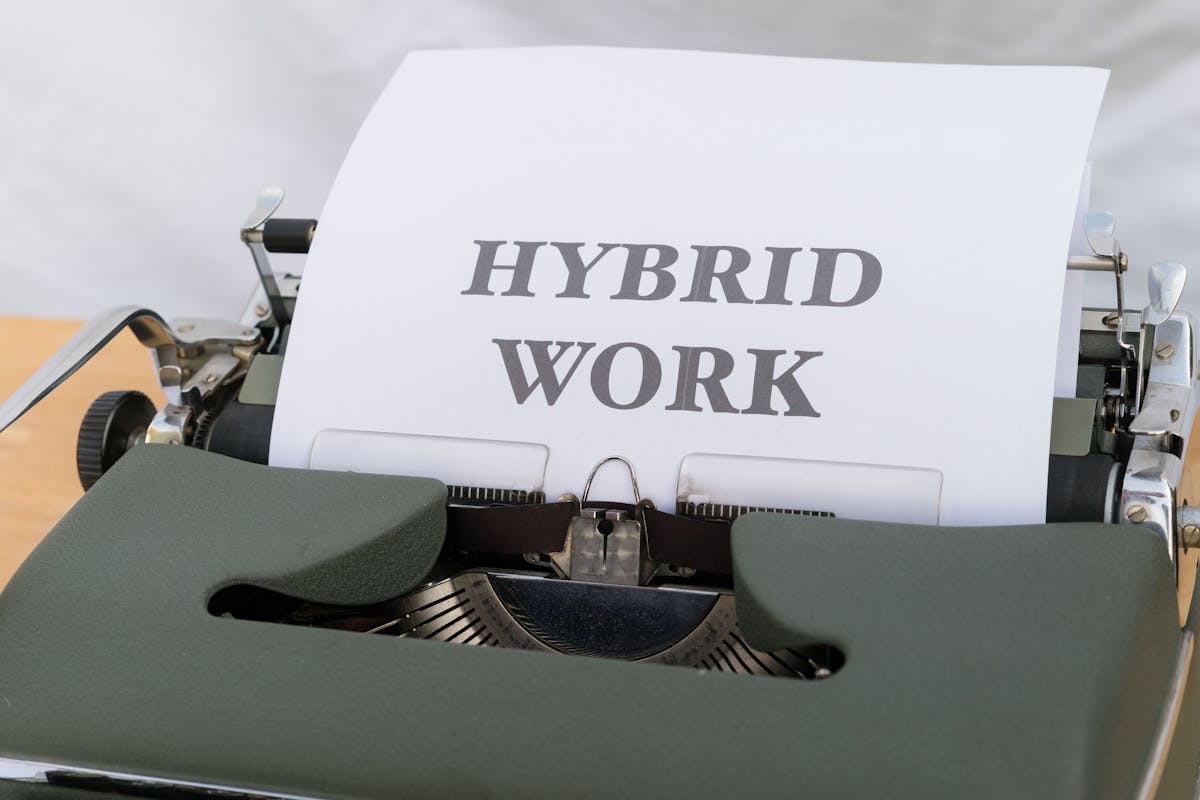
Hybrid work models offer flexibility but also introduce complications in tracking performance. When employees work remotely, managers cannot observe daily routines, making it harder to gauge productivity through traditional measures. Communication gaps may arise, leading to delayed updates and reduced collaboration. Additionally, different work setups—home offices versus corporate spaces—can affect efficiency due to varying resources and distractions. Without clear metrics and monitoring methods, it becomes easy for inefficiencies to go unnoticed.
To tackle these challenges, organizations need to establish clear expectations, adopt appropriate tools, and create transparent reporting systems. Focusing on outcomes rather than just hours worked ensures that employee productivity aligns with overall business goals. By understanding these dynamics, companies can maintain performance without overburdening their teams.
How to Monitor Employee Productivity Effectively
Monitoring productivity in hybrid work settings requires a strategic approach. Rather than micromanaging employees, managers should focus on measurable outcomes and results. Start by defining key performance indicators (KPIs) that are specific, achievable, and relevant to each role. For instance, sales teams may be evaluated on the number of client calls or deals closed, while creative teams could be measured by completed projects or design quality.
Regular check-ins, both one-on-one and team meetings, can also help managers track progress and address issues promptly. Encourage employees to maintain daily or weekly reports, which provide insight into their workload and achievements. These methods allow managers to monitor employee productivity without interfering with autonomy, creating a culture of accountability and trust.
Leveraging Technology to Track Productivity
Technology plays a crucial role in monitoring employee productivity across hybrid teams. Project management tools like Asana, Trello, or Monday.com allow managers to assign tasks, track deadlines, and visualize progress. Collaboration platforms such as Slack or Microsoft Teams facilitate communication, ensuring remote employees remain connected with their teams.
Time-tracking software can provide insights into how employees allocate their hours, helping managers identify bottlenecks and optimize workflows. However, it’s important to avoid excessive monitoring, as it may lead to reduced morale. Instead, use technology as a tool to enhance visibility and support employees, not as a method of surveillance.
Promoting Accountability Through Clear Goals
Clear goal-setting is one of the most effective ways to monitor hybrid teams. When employees know exactly what is expected of them, they can manage their time and resources efficiently. Goals should be SMART (Specific, Measurable, Achievable, Relevant, Time-bound) to provide clarity and reduce ambiguity.
Managers should also encourage self-assessment and peer feedback, which can complement formal performance evaluations. Regularly reviewing progress against goals ensures that employees stay on track, and it highlights areas where additional support may be required. This approach helps maintain high performance without relying solely on traditional oversight.
Encouraging Open Communication and Feedback

Open communication is critical for hybrid work success. Employees working remotely may feel disconnected or unsure about expectations if managers do not maintain frequent contact. Scheduling weekly team meetings and one-on-one sessions helps address concerns, clarify priorities, and share updates.
Additionally, creating channels for real-time feedback fosters continuous improvement. Constructive feedback should focus on outcomes and behaviors rather than monitoring every task. This transparency promotes trust and encourages employees to proactively manage their own productivity.
Integrating Productivity Hacks into Hybrid Teams
Productivity hacks can boost performance and make monitoring more effective. Simple practices like time-blocking, prioritizing high-impact tasks, or using focus techniques such as the Pomodoro method can help employees manage workloads efficiently.
Managers can support these hacks by providing training sessions, sharing resources, and recognizing employees who implement effective strategies. Encouraging employees to adopt these productivity methods reduces the need for constant supervision while improving overall output. When combined with clear goals and proper monitoring tools, productivity hacks can significantly enhance hybrid team performance.
Balancing Monitoring and Employee Well-Being
Monitoring employee productivity should never compromise well-being. Hybrid work can blur the line between professional and personal life, leading to burnout if not managed properly. Encourage employees to take breaks, set boundaries, and communicate workload challenges.
Maintaining a healthy work-life balance promotes engagement, reduces stress, and ultimately improves performance. Managers should emphasize results rather than hours logged, focusing on supporting employees while tracking key productivity metrics.
Conclusion
Monitoring employee productivity across hybrid work environments requires a balance of clear expectations, smart use of technology, and supportive management practices. By focusing on outcomes, leveraging project management tools, encouraging open communication, and integrating productivity hacks, organizations can maintain high performance while fostering employee autonomy and well-being. Hybrid work doesn’t have to compromise productivity—when approached strategically, it can enhance efficiency and employee satisfaction.