
Facing a civil dispute can be stressful, especially if you are unsure about what happens next. A civil litigation lawyer can help you understand the legal process and feel confident about it. At Goyette, Ruano & Thompson, Inc., clients receive guidance through each stage of their case, helping them understand their rights, responsibilities, and legal options.
Civil litigation involves resolving disputes between individuals, businesses, or organizations through the court system rather than criminal prosecution. While every case is unique, most follow a structured process that can help you anticipate what comes next.
Initial Consultation and Case Evaluation
The first step in any civil dispute is meeting with a civil litigation lawyer to discuss the details of your situation. During this consultation, your attorney will review documents, ask questions, and evaluate the strengths and weaknesses of your case.
This stage is essential because it helps determine whether pursuing litigation is the best course of action. Your lawyer will explain possible outcomes, legal risks, and the time and cost considerations associated with moving forward. Many clients find that having professional legal insight early in the process provides peace of mind and clearer expectations.
Filing the Complaint or Responding to Legal Action
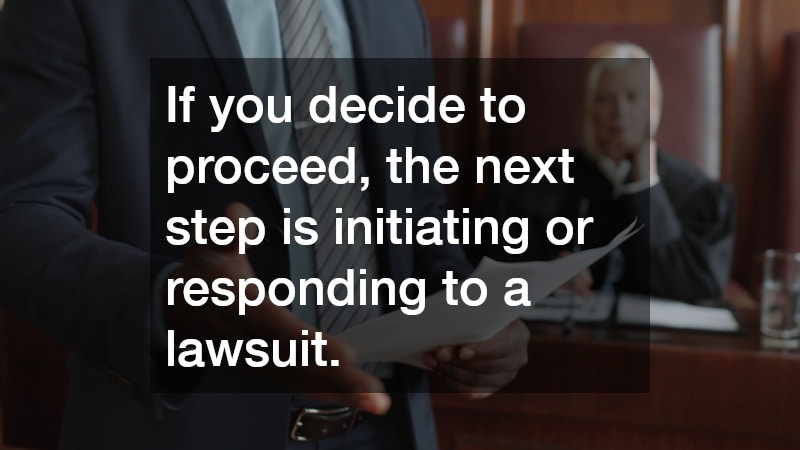
If you decide to proceed, the next step is initiating or responding to a lawsuit. In many cases, the plaintiff’s attorney will file a formal complaint outlining the legal claims and the relief being sought.
If you are the defendant, you will need to respond within a specified timeframe. If you don’t respond, the court may rule against you without hearing your side of the case. This is called a default judgment. A civil litigation lawyer ensures all filings meet procedural requirements and are submitted on time.
Discovery: Gathering and Reviewing Evidence
Discovery is often the longest phase of civil litigation. During this stage, both sides exchange information relevant to the case. This may include documents, emails, financial records, witness statements, and other forms of evidence.
Attorneys use discovery to build strong arguments and identify weaknesses in the opposing side’s position. Depositions may also occur, where witnesses answer questions under oath outside of the courtroom. Proper discovery preparation can significantly influence the outcome of a case.
Settlement Negotiations
Not every civil case goes to court. In fact, a lot of cases are settled through negotiation or mediation before they even get to court.
A skilled civil litigation lawyer will often work to achieve a favorable settlement if it serves the client’s best interests. Settlements can reduce legal expenses, shorten the duration of the dispute, and provide more predictable outcomes. However, accepting a settlement is always a decision made by the client after careful legal guidance.
Pretrial Preparation and Trial
If settlement efforts are unsuccessful, the case proceeds to trial. During this phase, attorneys prepare witness testimony, organize evidence, and develop courtroom strategies.
At trial, both sides present arguments before a judge or jury. The process may include opening statements, direct and cross-examinations, and closing arguments. After reviewing the evidence, the court will issue a final decision.
Post-Trial Actions and Appeals
Even after a verdict is reached, the legal process may not be over. Either party may choose to appeal the decision if there are grounds to believe legal errors affected the outcome.
Appeals are complex and require specialized legal knowledge. A civil litigation lawyer can help evaluate whether pursuing an appeal is worthwhile based on the circumstances of the case.
Why Working with a Civil Litigation Lawyer Matters
Civil litigation can involve complicated procedures, strict deadlines, and challenging legal arguments. Having experienced legal representation helps ensure your case is handled properly from start to finish.
Whether you are pursuing compensation, defending your rights, or resolving a business dispute, professional legal guidance can make a meaningful difference in your case outcome.
If you are facing a legal dispute, understanding what to expect during your civil litigation case is the first step toward making informed decisions. Consulting with a trusted civil litigation lawyer can help you move forward with confidence and clarity throughout every stage of the legal process.