
Owning a home comes with both pride and responsibility. While aesthetic upgrades are exciting, regular maintenance is what truly protects your investment. Neglecting small issues—whether it’s a leaky roof, cracked driveway, or unmaintained fence—can quickly escalate into costly repairs that impact both your budget and the longevity of your home.
Preventative maintenance isn’t just about avoiding damage; it’s about planning, inspecting, and scheduling tasks strategically to ensure your home stays safe, functional, and beautiful throughout the year. From roofing and paving to AC systems, fences, and pest control, proactive attention to these areas can save you thousands and preserve your home’s value.
This guide provides actionable, year-round tips to keep your property in top shape, highlighting areas that homeowners often overlook but that play a critical role in long-term maintenance.
1. Inspect and Maintain Your Roof Regularly
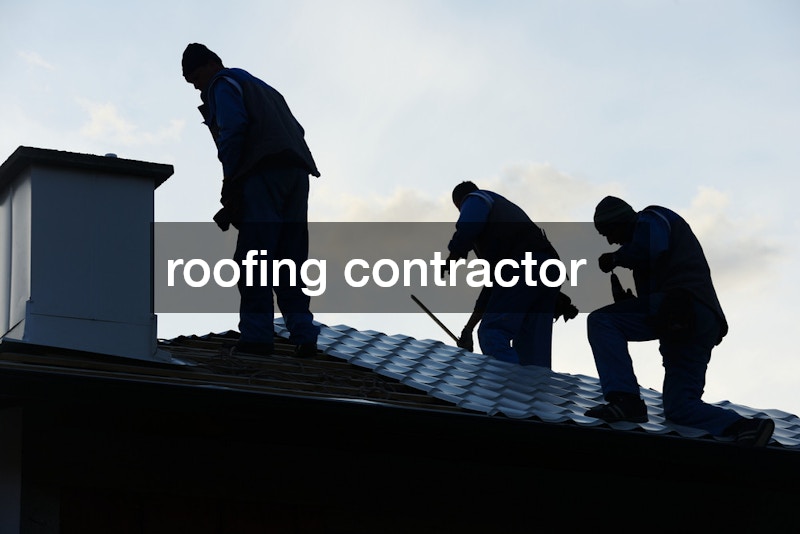
Your roof is arguably the most critical component of your home’s structure. It protects your family, belongings, and the interior of your home from rain, snow, wind, and extreme temperatures. Even small issues, if ignored, can escalate into serious problems, such as water leaks, mold growth, structural damage, and decreased energy efficiency. Regular roof maintenance not only preserves the integrity of your home but also extends the life of your roofing materials, saving you money over time.
Tips for effective roof maintenance:
-
Visual inspections:
Conduct monthly or seasonal visual checks for obvious signs of wear. Look for missing, cracked, curled, or blistered shingles. Inspect flashing around chimneys, skylights, vents, and valleys for rust, gaps, or loose sections. Pay attention to areas where tree branches overhang, as falling limbs can damage shingles or create weak spots. -
Gutter and downspout cleaning:
Clogged gutters can lead to water backing up onto the roof, which may cause shingles to rot or foundations to be compromised. Remove leaves, twigs, and other debris at least twice a year—more often if you live in a heavily wooded area. Consider installing gutter guards to reduce buildup and make maintenance easier. Properly functioning downspouts should direct water at least 5–10 feet away from the foundation to prevent pooling near your home. -
Seasonal checks:
Harsh weather can create hidden damage. After winter, inspect your roof for ice dams, which can trap water and cause leaks. After storms or high winds, check for missing shingles or dented flashing. Heavy snow or accumulated debris can add stress to the roof structure, so ensure any buildup is removed safely. -
Professional inspections:
Even with regular personal inspections, some issues are not visible to the untrained eye. Schedule an annual inspection with a roofing contractor or roofing companies. Professionals can detect subtle problems such as weak underlayment, small punctures, or deteriorating sealant around vents and chimneys. They can also provide guidance on preventative maintenance or minor repairs before issues become expensive, emergency-level problems.
Additional proactive measures:
-
Trim nearby tree branches to prevent them from rubbing against shingles and causing damage.
-
Apply roof coatings or sealants if appropriate for your roof type to add an extra layer of protection against water and UV damage.
-
Maintain attic ventilation to reduce heat and moisture buildup, which can degrade shingles and cause mold growth.
-
Keep a maintenance log to track inspections, repairs, and contractor visits. This record can be invaluable if warranty claims or insurance issues arise.
By proactively maintaining your roof, you minimize the risk of water intrusion, mold, and structural damage while extending the lifespan of your roofing materials. Regular inspections, combined with seasonal cleanings and professional evaluations, ensure your home remains safe, comfortable, and protected throughout the year.
2. Keep Driveways, Patios, and Walkways in Top Shape

Exterior paved surfaces—driveways, patios, sidewalks, and walkways—are subject to constant stress from daily use, changing weather, and seasonal temperature fluctuations. While minor cracks or surface imperfections may seem harmless at first, they can quickly worsen over time. Water infiltration, freeze-thaw cycles, and soil movement beneath the pavement can lead to larger cracks, uneven surfaces, and even structural damage to surrounding areas. Maintaining these surfaces proactively not only preserves their appearance but also prevents costly repairs and potential safety hazards.
Preventative steps:
-
Inspect for cracks or settling:
Walk your driveway, patio, and pathways at least twice a year to spot small cracks, divots, or areas of settling. Even hairline cracks should not be ignored, as water can seep in and freeze during winter, causing the cracks to expand. Keep an eye out for sunken sections that may indicate soil erosion or poor initial compaction. -
Sealant applications:
Applying a quality concrete or asphalt sealant can protect paved surfaces from moisture penetration, UV exposure, and chemical damage. Sealants fill minor surface imperfections, reduce the impact of freeze-thaw cycles, and help prevent the formation of potholes. Depending on your climate, sealant applications should be done every 2–3 years. -
Proper drainage:
Water pooling on driveways or patios can accelerate deterioration and potentially affect your home’s foundation. Ensure that paved areas are properly sloped away from your house. Consider installing drains, swales, or channels where water tends to collect. Proper grading reduces erosion, prevents ice buildup in winter, and extends the lifespan of your surfaces.
Professional assistance:
-
Concrete contractors: Hire a professional for repairing large cracks, leveling uneven sections, or reinforcing weak areas with additional support. They have the tools and expertise to correct issues that DIY solutions might miss, such as deep foundational cracks or areas with subsurface soil movement.
-
Local paving contractor: For resurfacing worn driveways, patios, or walkways, a local paving contractor can apply a fresh layer of asphalt or concrete, seal the surface, and ensure proper slope and drainage. They can also advise on long-term solutions for high-traffic areas or surfaces exposed to extreme weather.
Additional tips for long-term maintenance:
-
Remove weeds or grass growing through cracks promptly, as roots can expand and worsen damage.
-
Avoid using harsh chemicals or salts excessively in winter; these can deteriorate concrete and asphalt surfaces over time.
-
Clean paved areas regularly to remove dirt, debris, and organic material that can retain moisture and promote surface damage.
-
Consider installing protective edging along patios and walkways to prevent soil migration and maintain crisp borders.
By taking a proactive approach to driveway, patio, and walkway maintenance, you preserve not only the visual appeal of your home but also safety and structural integrity. Routine inspections, timely repairs, and professional resurfacing or sealing significantly reduce the risk of more expensive fixes in the future, keeping your outdoor surfaces durable and attractive year-round.
3. Maintain Your HVAC System for Year-Round Comfort
A well-maintained HVAC system ensures comfort and efficiency, reducing energy bills and preventing emergency repairs. Regular attention can also extend the system’s lifespan.
Maintenance tips:
-
Replace or clean filters monthly to maintain airflow and indoor air quality.
-
Inspect ducts for leaks or blockages, and schedule duct cleaning as needed.
-
Check refrigerant levels and ensure all electrical connections are secure.
-
Perform seasonal inspections, ideally in spring and fall, to prepare for peak usage periods.
Professional coordination:
-
Schedule AC installation or servicing when performing home upgrades, ensuring the system aligns with new layouts or cabinetry.
-
Consult woodworking contractors if renovations include custom vent enclosures, built-in cabinetry, or other installations that could affect airflow.
By keeping your HVAC system in top shape, you avoid costly breakdowns and maintain consistent comfort throughout the year.
4. Protect Your Home from Pests
Pests are more than a nuisance; they can damage wood, wiring, insulation, and even compromise your health. Early detection and prevention are key to avoiding infestations.
Preventative measures:
-
Seal cracks, gaps, and openings in foundations, walls, and around windows or doors.
-
Remove standing water and maintain clean, clutter-free yards.
-
Store firewood away from the home and trim overhanging branches that provide pest access.
Professional support:
-
Schedule inspections with local pest control companies to detect early signs of termites, rodents, or other pests.
-
Hire fence installers to secure perimeter areas and reduce entry points for wildlife or stray animals.
Proactive pest management protects your home’s structural integrity, reduces health risks, and minimizes repair costs from infestations.
5. Preserve Structural Integrity and Drainage
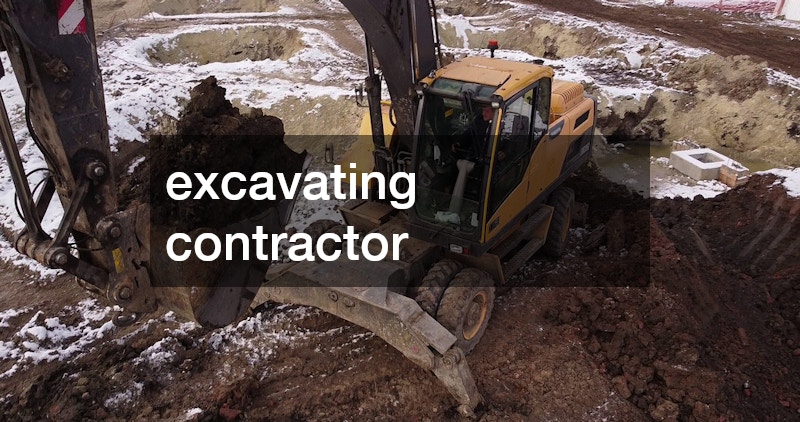
Water damage and soil erosion can compromise foundations, decks, and driveways. Regularly inspecting these areas prevents costly structural repairs.
Key maintenance tips:
-
Inspect foundation walls for cracks or signs of settling.
-
Ensure proper grading to direct water away from the home.
-
Maintain downspouts and gutter extensions to prevent pooling around foundations.
Professional assistance:
-
Engage an excavating contractor for grading issues or foundation reinforcement.
-
Hire concrete contractors for slab repairs or retaining walls to manage water runoff effectively.
Maintaining your home’s foundation and drainage safeguards against soil erosion, flooding, and long-term structural damage.
6. Maintain Fences and Outdoor Boundaries

Fences aren’t just decorative—they provide security, privacy, and property definition. Neglect can lead to rotting, rust, or instability.
Tips for fence upkeep:
-
Inspect posts and panels regularly for loose or damaged components.
-
Apply wood sealant or paint to prevent rot and insect damage.
-
Remove debris or vegetation that may trap moisture against the fence.
Professional support:
-
Hire fence installers for repairs, upgrades, or installation of new fencing systems.
-
Consult fence companies for seasonal inspections and maintenance services.
A well-maintained fence enhances curb appeal, protects property boundaries, and prevents costly replacements down the line.
7. Inspect Plumbing and Water Systems
Plumbing issues can escalate quickly, causing water damage, mold, or foundation problems. Preventative maintenance ensures reliable water flow and reduces emergency repair costs.
Preventative steps:
-
Inspect visible pipes and faucets for leaks, corrosion, or pressure drops.
-
Winterize outdoor spigots and irrigation systems to prevent frozen pipes.
-
Check sump pumps and water heaters for functionality and efficiency.
Professional coordination:
-
Coordinate AC installation with plumbing inspections if water lines are involved in cooling systems.
-
Work with local pest control companies to prevent water-related pest issues around pipes and drainage areas.
Routine plumbing checks preserve water efficiency, prevent property damage, and maintain overall home functionality.
8. Maintain Your Home’s Exterior Woodwork
Wood elements like decks, shutters, siding, and trim require regular attention to prevent rot, insect damage, and weathering.
Maintenance tips:
-
Inspect wood surfaces for cracks, rot, or insect damage.
-
Clean surfaces regularly and apply sealant or stain to protect against moisture and UV exposure.
-
Tighten loose fixtures and replace damaged boards promptly.
Professional support:
-
Hire woodworking contractors for repairs, refinishing, or upgrades to intricate trim or cabinetry exposed to the elements.
-
Work with fence companies if your fencing is made of wood, combining maintenance with other exterior woodwork projects.
Proactive woodwork maintenance preserves aesthetics, prevents decay, and extends the life of exterior structures.
9. Seasonal Landscaping and Drainage Upkeep
Proper landscaping prevents flooding, soil erosion, and damage to foundations, driveways, and patios. Seasonal attention ensures water flows correctly and reduces long-term risks.
Tips for effective drainage and landscaping:
-
Inspect grading and correct slopes that direct water toward foundations.
-
Clear gutters, downspouts, and drainage channels regularly.
-
Use plants strategically to stabilize soil and reduce runoff.
Professional support:
-
Coordinate with an excavating contractor for major grading or re-sloping projects.
-
Hire a local paving contractor for driveway or patio adjustments that improve water drainage and prevent cracking.
Maintaining proper drainage and landscaping protects your home’s exterior, foundation, and paved surfaces from long-term damage.
10. Create a Preventative Maintenance Calendar
A maintenance calendar ensures tasks are completed consistently and at the right time, reducing the risk of forgotten repairs.
Tips for creating an effective calendar:
-
Schedule seasonal inspections for roofs, plumbing, HVAC, fences, and drainage systems.
-
Include reminders for cleaning, sealing, and pest inspections.
-
Track repairs, contractor visits, and service dates to maintain a complete maintenance history.
Professional coordination:
-
Include an annual roofing contractor inspection to catch issues early.
-
Schedule regular AC installation checks to maintain energy efficiency and system longevity.
A structured maintenance calendar helps homeowners stay organized, save money, and prevent costly emergency repairs.
Preventative home maintenance is more than a routine task—it’s a proactive strategy to protect your investment, preserve comfort, and extend the life of your property. By inspecting roofs, plumbing, HVAC systems, fences, paving, and exterior woodwork regularly, and by coordinating with qualified contractors, homeowners can avoid expensive repairs and enhance the longevity and value of their home.
A year-round maintenance plan, combined with professional inspections and timely repairs, ensures that your home remains safe, functional, and visually appealing, giving you peace of mind and preserving your investment for years to come.