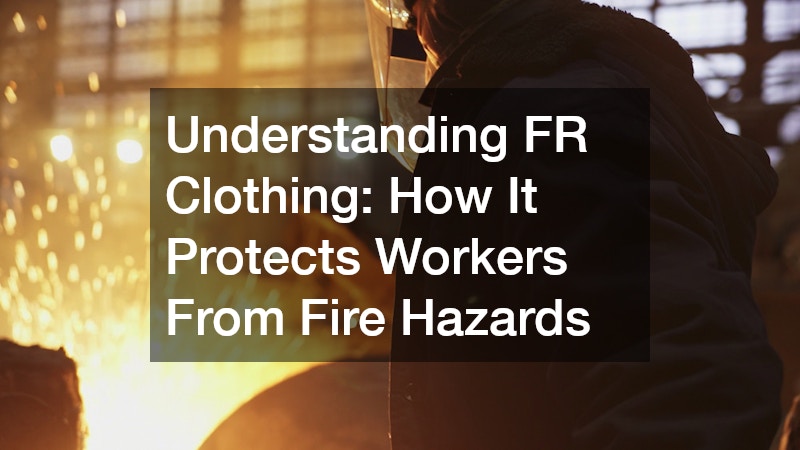

Fire-related hazards are a serious concern in many industrial and high-risk work environments. From electrical arcs to flash fires, unexpected exposure to heat and flames can lead to severe injuries or fatalities if proper precautions are not in place. FR clothing, which stands for fire-resistant clothing, plays a critical role in protecting workers by reducing burn severity and minimizing injury when incidents occur. Understanding how this specialized apparel works helps employers and workers make informed safety decisions.
What FR Clothing Is and Why It Matters
FR clothing is designed to resist ignition and self-extinguish when exposed to flames or extreme heat. Unlike regular workwear, which can catch fire and continue to burn, fire-resistant garments are engineered to limit flame spread. This characteristic is essential in environments where workers face potential exposure to fire, molten metal, or electrical arcs.
The primary purpose of FR clothing is not to make workers fireproof but to provide critical seconds of protection. By preventing clothing from igniting or melting onto the skin, these garments help reduce the severity of burns and allow workers time to escape hazardous situations. In industries such as oil and gas, electrical utilities, manufacturing, and welding, this level of protection is often required by safety regulations.
How FR Clothing Protects Against Fire Hazards
The protective performance of FR clothing comes from the materials and construction used in the garments. Fire-resistant fabrics are either inherently flame resistant or treated with chemical processes to achieve protective properties. Inherently FR materials, such as certain aramids and modacrylic blends, are designed at the fiber level to resist burning and maintain their properties throughout the life of the garment.
Treated FR fabrics, typically made from cotton or cotton blends, are treated with specialized chemicals that cause the fabric to char rather than ignite when exposed to flames. While both options provide protection, inherent fabrics tend to retain their fire-resistant qualities longer, while treated fabrics may require proper laundering to maintain effectiveness.
Reducing Burn Injuries and Heat Exposure
One of the most important benefits of FR clothing is its ability to reduce the severity of burn injuries. When regular clothing ignites, it can continue to burn even after the source of ignition is removed. This prolonged burning dramatically increases the risk of second- and third-degree burns.
FR clothing self-extinguishes when the flame source is removed, limiting the duration of exposure. Additionally, many FR garments are designed to provide thermal insulation, which helps reduce heat transfer to the skin. This insulation can be especially important during flash fire or arc flash incidents, where temperatures rise rapidly and exposure times are short but intense.
Protection in Electrical and Industrial Settings
Electrical hazards are a major reason why FR clothing is required in many workplaces. Arc flashes can generate temperatures hotter than the surface of the sun, producing intense heat and molten metal. FR clothing helps protect workers by reducing heat transfer and preventing clothing ignition during these events.
In industrial settings, fire hazards may also come from combustible dust, flammable gases, or hot surfaces. Workers in these environments often face unpredictable conditions where accidents can occur without warning. Wearing FR clothing provides a consistent layer of protection that complements other safety measures such as training, equipment maintenance, and hazard assessments.
Comfort, Fit, and Practical Design
Modern FR clothing has evolved significantly in terms of comfort and wearability. Early fire-resistant garments were often bulky and restrictive, discouraging consistent use. Today’s designs focus on proper fit, breathability, and mobility, making it easier for workers to perform their tasks safely and efficiently.
Manufacturers now offer a wide range of styles, including shirts, pants, coveralls, and outerwear, all designed with safety and comfort in mind. Features such as moisture-wicking fabrics, reinforced seams, and ergonomic cuts help ensure that FR clothing is practical for extended wear in demanding environments.
Compliance and Safety Standards
FR clothing is often required to meet specific safety standards and certifications. Organizations such as the National Fire Protection Association (NFPA) and Occupational Safety and Health Administration (OSHA) provide guidelines for when and how fire-resistant garments should be used. These standards help ensure that garments offer reliable protection under defined conditions.
Employers are responsible for assessing workplace hazards and determining the appropriate level of protection for their teams. Providing compliant FR clothing not only supports worker safety but also helps companies meet regulatory requirements and reduce liability.
Proper Use and Maintenance of FR Clothing
The effectiveness of FR clothing depends on proper use and care. Garments should be worn as intended, fully fastened, and layered correctly when additional protection is needed. Improper use, such as rolling up sleeves or wearing non-FR layers underneath, can compromise protection.
Maintenance is equally important. FR clothing should be laundered according to manufacturer guidelines to preserve its protective properties. Using improper detergents or fabric softeners can reduce effectiveness, especially for treated fabrics.
Supporting a Safer Workplace
FR clothing is a vital component of a comprehensive workplace safety strategy. While it cannot eliminate fire hazards entirely, it significantly reduces the risk of severe injury when incidents occur. By understanding how FR clothing works and ensuring it is used correctly, employers and workers can create safer environments where protection, preparedness, and compliance go hand in hand.